
February 24, 2026
Inflammation and Melanin: The Hidden Link Behind Scars, Dark Spots and Melasma in Ethnic Skin
Many people with melanin rich and ethnic skin feel like their skin is constantly reacting against them. A single acne breakout leaves a dark mark that lasts for months. A small cut turns into a visible scar. Melasma darkens after sun exposure or heat even when sunscreen is used. These experiences are not random and they are not a flaw in your skin. They are the result of a powerful biological relationship between inflammation and melanin. At Luxe Beauty and Wellness Spa, we focus on understanding and controlling this relationship because it is the key to safely treating scars, hyperpigmentation and melasma in ethnic skin for clients across Mississauga, Brampton and Etobicoke.
Inflammation is the body’s natural response to injury, irritation or stress. In the skin, inflammation can be triggered by acne, shaving, waxing, friction, sun exposure, heat, harsh products, aggressive treatments or even internal factors such as hormones and stress. In lighter skin tones, inflammation often presents as redness that fades once healing occurs. In melanin rich skin, inflammation behaves differently. Instead of redness that disappears, the skin responds by producing excess melanin as a protective mechanism. This overproduction of pigment is what leads to dark spots, uneven tone and lingering discoloration long after the original trigger has resolved.
This inflammatory response explains why scars and pigmentation appear more intense in ethnic skin. When the skin is injured, collagen production increases to repair the tissue, forming a scar. At the same time, melanocytes become activated by inflammatory signals and begin producing more pigment. The result is a scar that is not only texturally different but also darker than the surrounding skin. Without addressing inflammation, treatments that focus only on surface pigment or texture can aggravate the problem rather than improve it.
Hyperpigmentation is one of the most visible outcomes of inflammation in melanin rich skin. Post inflammatory hyperpigmentation commonly follows acne, ingrown hairs, burns, waxing, laser treatments and even mild irritation. Many clients are told to exfoliate more aggressively or use stronger lightening products, but this approach often backfires. Over exfoliation and harsh actives increase inflammation, which signals the skin to produce even more melanin. This creates a cycle where the skin is constantly reacting and dark spots never fully fade.
Melasma is one of the clearest examples of inflammation driven pigmentation. Although melasma is strongly influenced by hormones, it is also extremely sensitive to heat and inflammation. Sun exposure, hot yoga, saunas, aggressive facials and incorrect laser treatments can all worsen melasma because they increase internal skin temperature and inflammatory activity. In melanin rich skin, this inflammation leads to deeper and more persistent pigment changes. Treating melasma requires a calm, controlled approach that reduces inflammation rather than provoking it.
One of the most common mistakes in treating ethnic skin is using technologies or techniques that rely on aggressive heat or surface injury. Many traditional lasers, IPL devices and strong chemical peels create inflammation at the epidermal level. While this may stimulate results in lighter skin tones, it often leads to post inflammatory hyperpigmentation, rebound melasma or prolonged discoloration in melanin rich skin. When clients come to Luxe Beauty and Wellness Spa after failed treatments, inflammation is almost always the underlying cause.
This is why controlling inflammation is the foundation of our corrective approach. At Luxe, we prioritize treatments that work with the biology of ethnic skin rather than against it. We use advanced Aerolase laser technology because it delivers energy in a way that minimizes surface inflammation while targeting deeper structures safely. Its long wavelength and ultra short pulse delivery allow us to treat pigment, scars and melasma without overheating the epidermis or triggering excessive melanocyte activity. By keeping inflammation low, we reduce the risk of rebound pigmentation and support long term skin stability.
Inflammation control also extends beyond in clinic treatments. At Luxe Beauty and Wellness Spa, we educate our clients on how daily habits influence skin inflammation. Friction from tight clothing, frequent shaving, aggressive exfoliation, unprotected sun exposure and even stress can all contribute to pigment issues. By addressing these factors alongside professional treatments, we help clients achieve results that last rather than temporary improvements followed by setbacks.
When treating scars in ethnic skin, managing inflammation is especially critical. Acne scars, surgical scars and trauma related scars often worsen when treatments are too aggressive. Inflamed scar tissue can thicken, darken or become more noticeable. By using controlled, low inflammation laser protocols and pairing them with barrier repair and pigment control strategies, we encourage gradual collagen remodeling without stimulating excessive melanin production. This leads to smoother texture and more even tone over time.
Clients with melanin rich skin often feel discouraged because they have been told their skin is difficult to treat or that results will be limited. The truth is not that ethnic skin is harder to treat, but that it requires a more informed and respectful approach. When inflammation is properly managed and treatments are tailored to pigment biology, outcomes can be transformative.
At Luxe Beauty and Wellness Spa, every treatment plan begins with a detailed consultation. We assess skin tone, sensitivity, scar history, pigment depth, lifestyle factors and previous treatments. This allows us to identify the inflammatory triggers unique to each client and design a personalized protocol. Our treatments are never rushed or standardized. They are carefully spaced and adjusted based on how the skin responds, ensuring safety and effectiveness for clients in Mississauga, Brampton and Etobicoke.
Progress in ethnic skin correction is gradual and intentional. As inflammation decreases, melanin activity stabilizes and collagen rebuilds, the skin begins to appear clearer, brighter and more even. Clients often notice fewer new dark spots forming, existing pigmentation fading more evenly and scars becoming less noticeable. This type of improvement reflects true skin correction rather than surface level masking.
Understanding the link between inflammation and melanin changes everything. It explains why certain treatments fail, why pigment keeps returning and why a gentle yet advanced approach is essential for melanin rich skin. At Luxe Beauty and Wellness Spa, this understanding guides every decision we make, from technology selection to treatment spacing and aftercare recommendations.
If you struggle with scars, hyperpigmentation or melasma and feel like your skin is constantly reacting, inflammation may be the missing piece. With the right expertise and technology, it is possible to correct these concerns safely without compromising your skin’s health or integrity.
Luxe Beauty and Wellness Spa proudly serves clients from Mississauga, Brampton and Etobicoke who are seeking expert care for ethnic and melanin rich skin. To book your personalized consultation, call 289-242-5862 or 905-334-8040.
SHARE THIS ARTICLE:
Leave a Comment:
Our Recent Article:
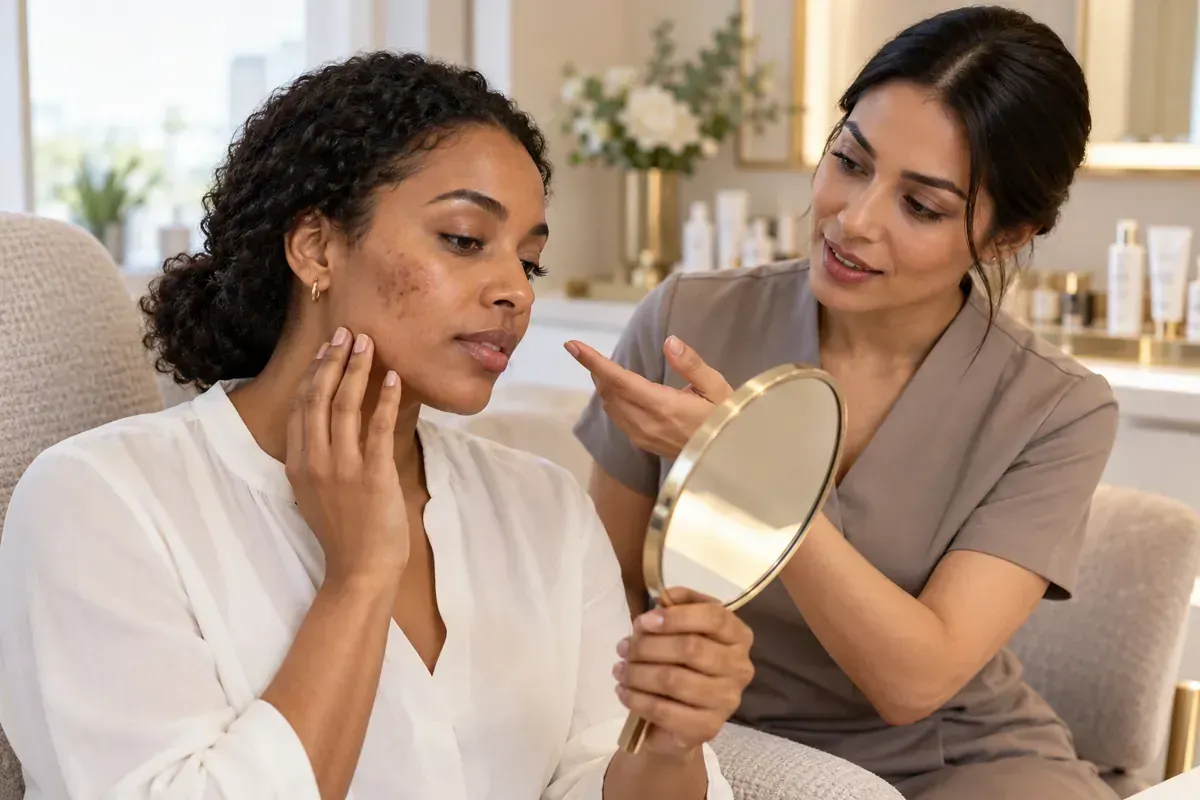
Scrubbing can irritate skin and worsen post-acne dark marks. Learn about gentle care and personalized pigmentation consultations at Luxe in Mississauga.
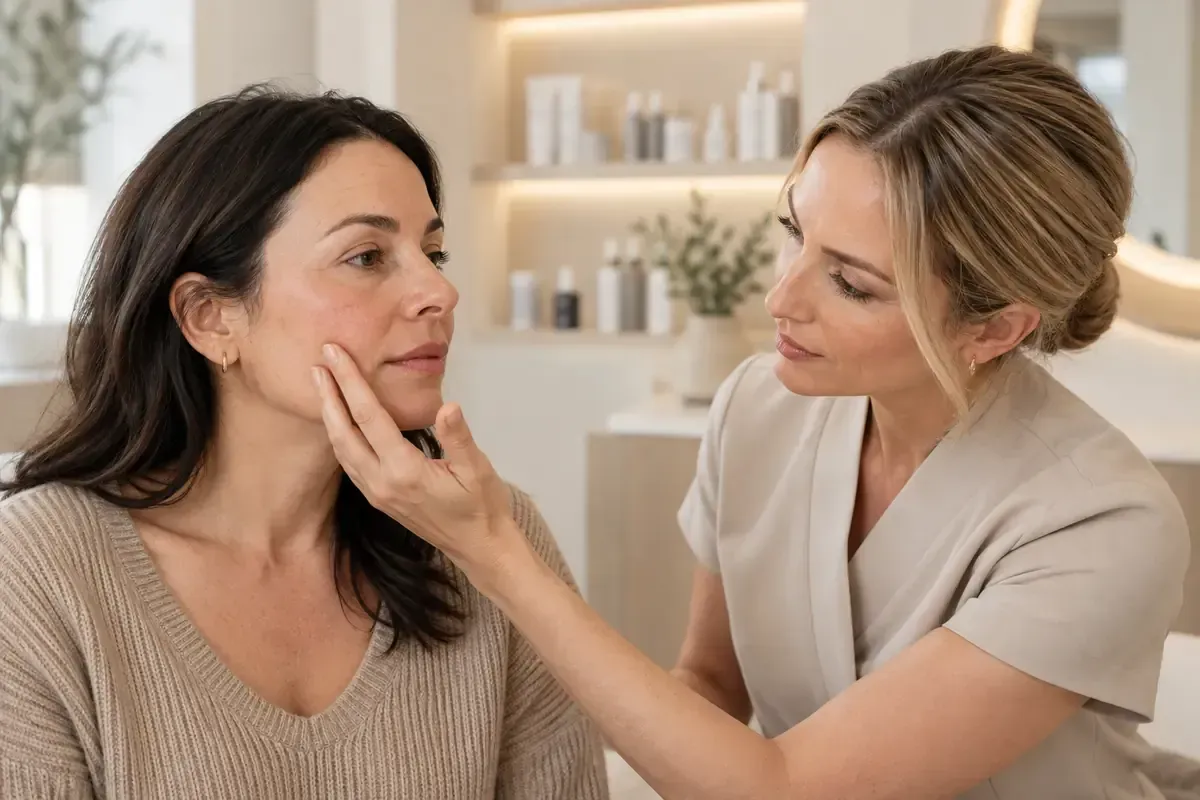
Learn why skin barrier health matters before corrective treatments and how personalized planning supports comfort, safety and long-term skin health.
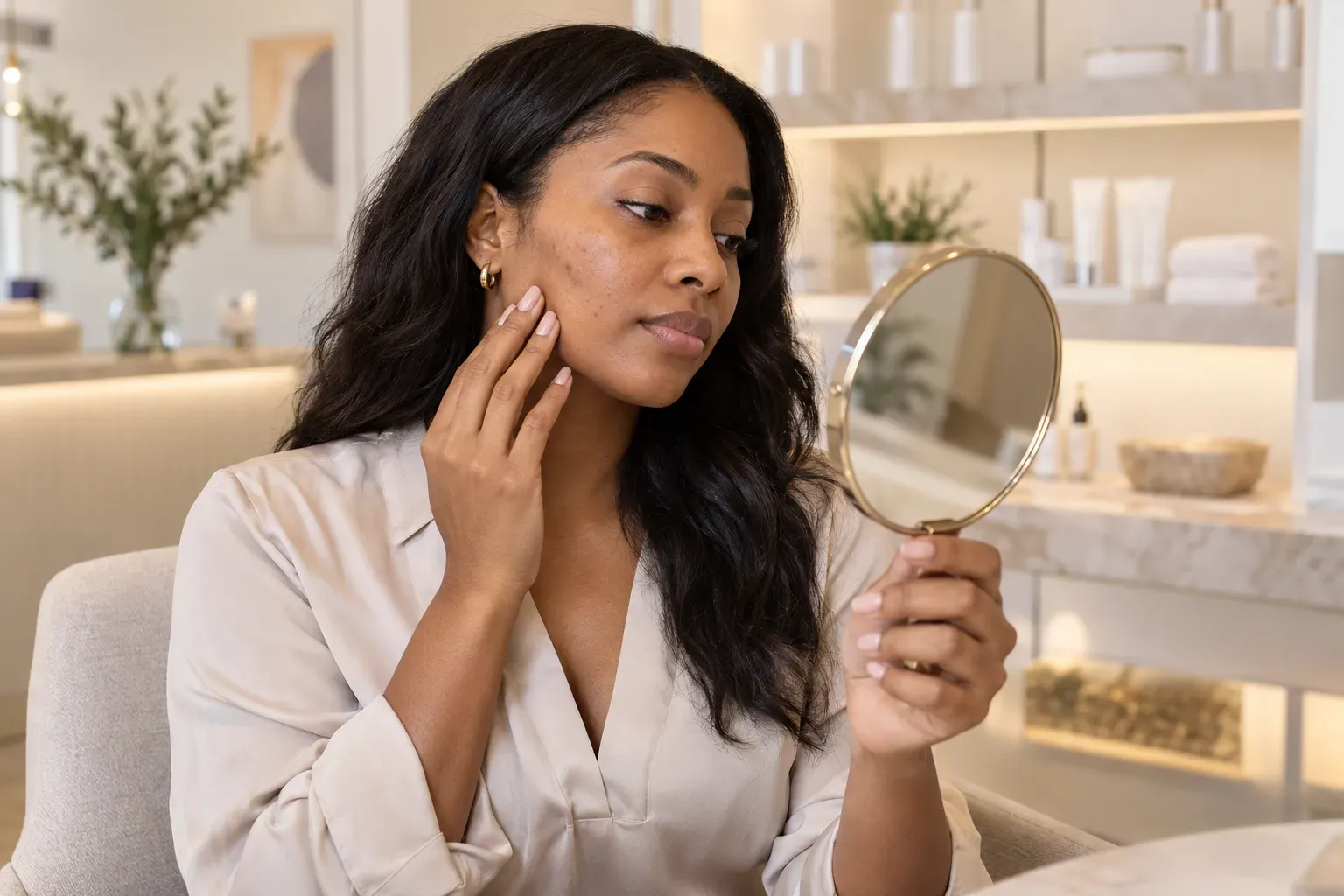
Learn why acne-prone skin may still need barrier support, professional skincare and a personalized maintenance plan after breakouts improve.
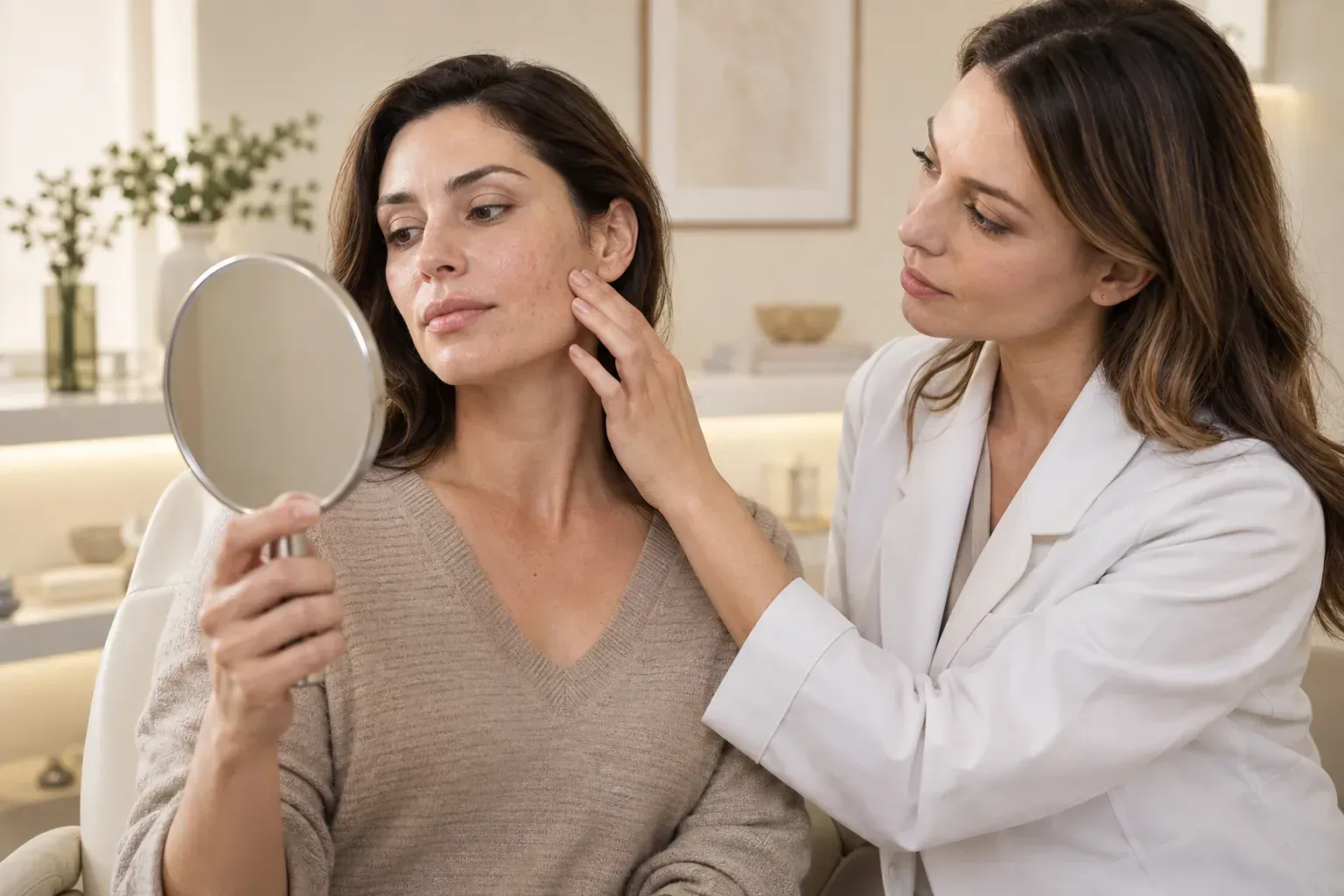
Learn why enlarged pores and uneven skin texture may require a personalized treatment plan based on your skin, concerns and treatment history.

Learn why weight alone does not define body-contouring goals and how Luxe approaches non-invasive Emerald Sculpt treatment planning in Mississauga.
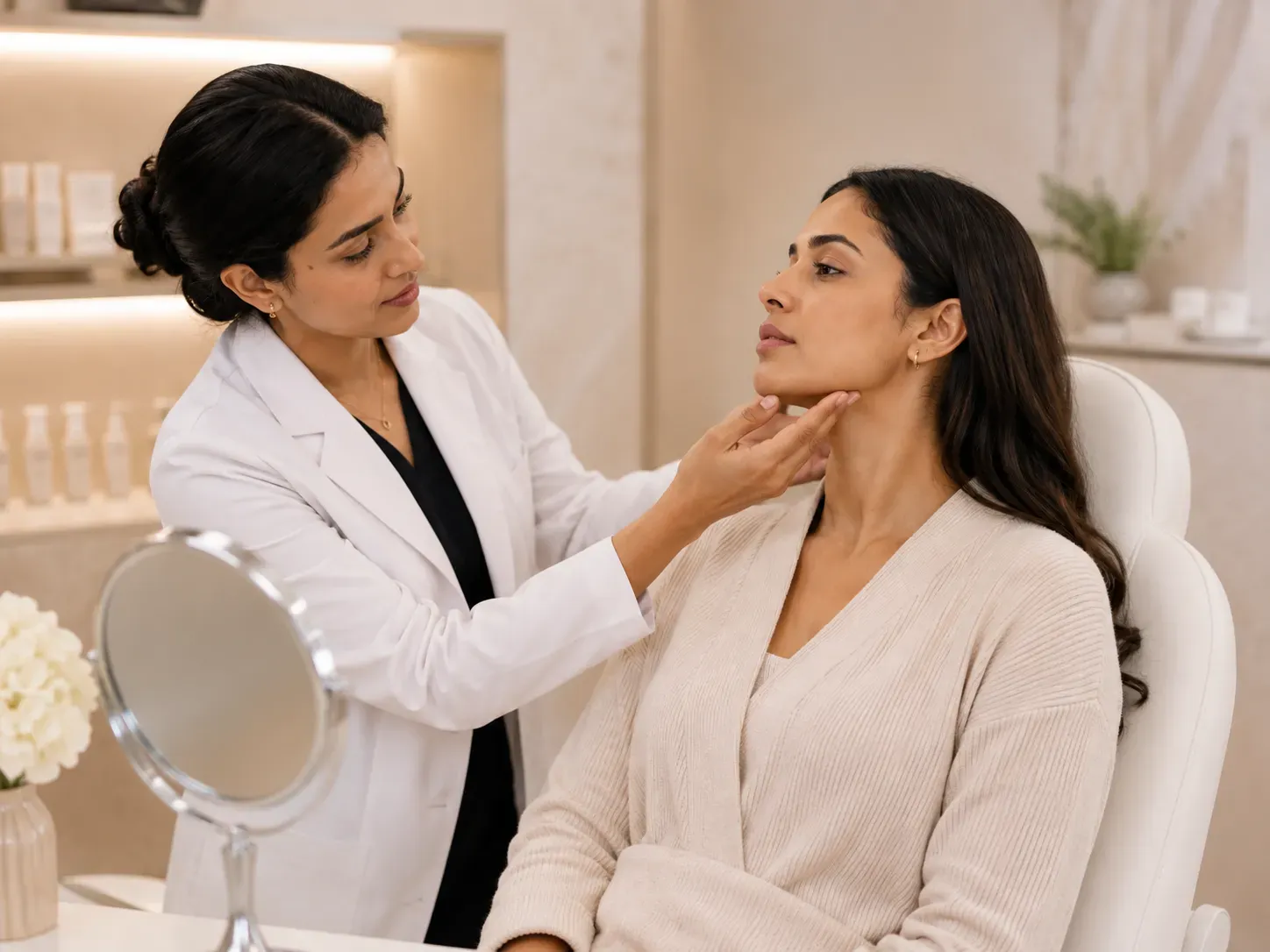
Changes in firmness, texture and skin quality can develop differently across the lower face and neck, making personalized assessment an important part of treatment planning.

Luxe Beauty and Wellness Spa
Experience the Luxe Difference Today!
Book Your Appointment and Discover the Ultimate in Beauty and Wellness.