
The Hidden Connection Between Inflammation and Premature Skin Aging
Understanding Why Healthy-Looking Skin Requires More Than Surface-Level Care
Many people associate aging skin with wrinkles, fine lines, and loss of firmness. While these visible changes are often the most noticeable signs of aging, the process frequently begins much earlier beneath the surface.
One factor receiving increasing attention in both skincare and medical research is chronic low-grade inflammation. Sometimes referred to as "inflammaging," this process may contribute to collagen breakdown, uneven skin tone, skin sensitivity, redness, and visible signs of premature aging over time.
Understanding how inflammation affects the skin can help patients make more informed decisions about long-term skin health and rejuvenation.
What Is Inflammation in the Skin?
Inflammation is a natural response that helps the body heal and protect itself from injury, irritation, and environmental stressors.
Short-term inflammation can be beneficial. However, when inflammation becomes persistent, it may gradually affect the skin's ability to repair and regenerate efficiently.
Common contributors include:
• Excessive sun exposure
• Environmental pollution
• Chronic stress
• Poor sleep habits
• Repeated skin irritation
• Acne-related inflammation
• Barrier dysfunction
• Lifestyle factors
Over time, these factors may influence collagen production, skin texture, pigmentation, and overall skin quality.
How Inflammation Can Affect Collagen
Collagen is one of the primary structural proteins responsible for maintaining skin firmness, elasticity, and resilience.
When chronic inflammation is present, the body may produce enzymes that gradually break down collagen and elastin fibers faster than they can be replaced.
As collagen levels decline, patients may begin to notice:
• Fine lines and wrinkles
• Loss of firmness
• Crepey skin texture
• Reduced elasticity
• Slower skin recovery
Many modern skin rejuvenation strategies focus not only on improving appearance but also on supporting the skin's natural regenerative processes and collagen production.
Patients interested in a comprehensive approach to skin rejuvenation can learn more about our
Skin Rejuvenation & Anti-Aging Program.
The Connection Between Inflammation and Pigmentation
Inflammation can also influence pigment production within the skin.
When the skin experiences ongoing irritation or injury, melanocytes may become more active, potentially contributing to uneven pigmentation and discoloration.
This is particularly important for individuals managing concerns such as:
• Melasma
• Post-inflammatory hyperpigmentation (PIH)
• Acne-related discoloration
• Sun damage
• Uneven skin tone
This is why effective pigmentation management often requires a comprehensive approach that addresses underlying contributing factors rather than focusing solely on visible discoloration.
Patients experiencing pigmentation concerns can learn more about our
Hyperpigmentation & Skin Tone Correction Program.
Inflammation, Acne, and Long-Term Skin Health
Inflammation plays a significant role in many acne cases. Even after breakouts improve, lingering inflammation can contribute to post-inflammatory hyperpigmentation, uneven texture, and visible acne scarring.
Addressing inflammation while supporting skin recovery is often an important component of long-term skin improvement.
If acne, pigmentation, or acne-related skin concerns are affecting your confidence, learn more about our
Acne & Acne Scar Program.
Why Prevention Is Becoming More Important
Many people seek treatment only after visible aging becomes noticeable.However, preventative skin care strategies may help support healthier skin long before significant signs of aging develop.
Maintaining healthy skin often involves:
• Daily sun protection
• Professional skin assessments
• Supporting skin barrier function
• Managing inflammation triggers
• Consistent skincare routines
• Technology-guided treatment planning
A proactive approach may help support skin longevity and healthier-looking skin over time.
A Personalized Approach to Skin Rejuvenation
No two patients experience skin aging in exactly the same way.
Factors such as genetics, lifestyle, environmental exposure, skin type, and previous skin conditions can all influence how the skin changes over time.
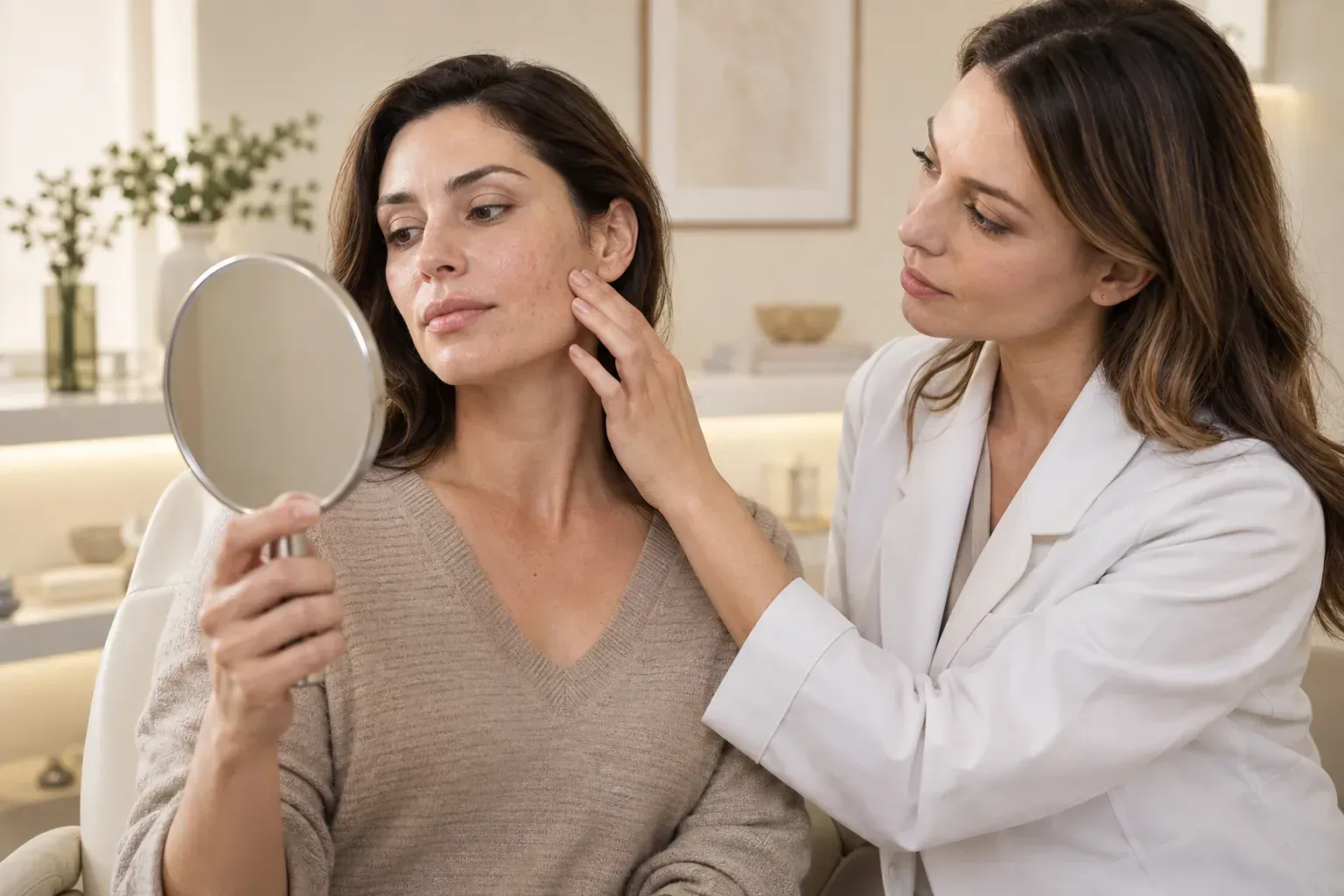
At Luxe Beauty, we focus on personalized consultations designed to understand the underlying factors contributing to each patient's concerns before recommending a treatment plan.
Our approach combines advanced technology, professional assessment, and customized treatment recommendations to support long-term skin health and skin rejuvenation goals.
Learn more about our
Personalized Consultation process.
Building Healthier Skin for the Future
Healthy, radiant skin is often the result of consistent care, informed decision-making, and a strategy that looks beyond temporary improvements.
Understanding the role inflammation may play in collagen loss, pigmentation changes, and visible aging can help patients make more informed choices about protecting and supporting their skin for years to come.
Whether your goals involve improving skin tone, addressing early signs of aging, or creating a long-term rejuvenation plan, a personalized assessment can help identify the most appropriate path forward.
Ready to Start Your Skin Journey?
At Luxe Beauty, every skin program begins with understanding your skin's unique needs, concerns, and long-term goals.
Book a
Personalized Consultation to discuss your concerns and receive a customized treatment strategy designed around your skin.
SHARE THIS ARTICLE:
Leave a Comment:
Our Recent Article:


Luxe Beauty and Wellness Spa
Experience the Luxe Difference Today!
Book Your Appointment and Discover the Ultimate in Beauty and Wellness.