

Why Melasma Can Return Even After It Starts to Improve
Understanding why melasma may recur and why long-term treatment planning, sun protection and maintenance support matter.
Why Melasma Can Return Even After It Starts to Improve
Melasma can be frustrating because visible pigmentation may begin to fade and then gradually become noticeable again.
This does not always mean that treatment failed. Melasma is a complex pigmentation concern that may be influenced by several internal and external factors, including sun exposure, heat, hormonal changes, inflammation, skin sensitivity and individual skin tone.
Because these influences can continue after a treatment series has ended, melasma often requires a longer-term management approach rather than a single treatment or short-term correction.
At Luxe Beauty & Wellness Spa in Mississauga, our approach begins with understanding how the pigmentation developed, how the skin has responded to previous treatments and which factors may continue to trigger discoloration.
Melasma Is Different From a Standard Dark Spot
A single dark spot caused by a previous breakout or sun exposure may remain relatively stable.
Melasma may behave differently. It often appears as broader areas of uneven pigmentation and may become more visible following repeated sun exposure, heat, hormonal changes or irritation.
This is why melasma should not automatically be treated in the same way as every other form of hyperpigmentation.
A careful assessment helps determine whether the concern appears consistent with melasma, post-inflammatory pigmentation, sun-related discoloration or a combination of several factors.
Learn more about our melasma treatment programs in Mississauga.
Why Melasma May Return
Several factors may contribute to melasma becoming visible again after improvement.
Ongoing sun exposure
Even limited or incidental sun exposure may influence pigment activity. Daily protection remains important throughout treatment and maintenance.
Heat exposure
For some clients, repeated heat exposure may contribute to increased visible pigmentation. This may include prolonged outdoor heat, hot environments or activities that repeatedly raise skin temperature.
Hormonal influences
Hormonal changes may affect how pigmentation develops and behaves. These influences may continue even when professional treatment is being performed.
Skin irritation
Aggressive exfoliation, unsuitable products or treatments that create excessive irritation may worsen uneven pigmentation in some skin types.
Incomplete maintenance
Melasma may improve during an active treatment program but gradually return when homecare, sun protection and maintenance treatments are discontinued.
Improvement Does Not Always Mean the Skin Is Finished Changing
When pigmentation starts to fade, it can be tempting to stop treatment immediately.
However, visible improvement may be only one stage of the process. The skin may still require continued protection, maintenance care and adjustments to the treatment plan.
A structured approach may include:
Professional treatment selected according to the skin
Appropriate treatment spacing
Daily sun protection
Professional skincare support
Barrier support
Maintenance appointments
Ongoing reassessment
The objective is not simply to make pigmentation appear lighter temporarily. The broader goal is to support more consistent, even-looking skin while reducing avoidable irritation and unnecessary treatment changes.
Why Aggressive Treatment Is Not Always Better
Melasma can sometimes become more noticeable when the skin is repeatedly irritated.
Using stronger treatments, increasing treatment frequency or combining too many active products may not always produce faster improvement. In some cases, this approach can increase sensitivity and make pigmentation more difficult to manage.
Treatment selection should consider:
Skin tone
Skin sensitivity
Previous reactions
Current skincare products
Depth and pattern of pigmentation
Lifestyle and sun exposure
Long-term treatment goals
This is especially important for clients with melanin-rich or pigmentation-prone skin, where inflammation itself may contribute to additional discoloration.
The Role of Professional Skincare and Homecare
What happens between appointments can strongly influence the appearance of melasma.
Professional homecare may be used to support:
More even-looking skin tone
Skin-barrier health
Controlled exfoliation
Hydration
Daily sun protection
Maintenance between treatments
Homecare should be selected according to the client’s skin condition rather than simply choosing the strongest brightening product available.
Products that are appropriate for one person may cause unnecessary sensitivity or irritation in another.
Melasma Treatment May Need to Change Over Time
A treatment plan that was appropriate at the beginning may need to be adjusted as the skin changes.
For example, the plan may be modified when:
Pigmentation has become lighter
Skin sensitivity has increased
A client begins using new skincare products
Seasonal sun exposure changes
Maintenance becomes the main goal
The skin stops responding in the same way
This is why periodic reassessment matters. Treatment should respond to the current condition of the skin rather than continuing automatically without review.
Melasma and Hyperpigmentation May Overlap
Some clients have more than one type of pigmentation.
Melasma may appear alongside:
Post-acne marks
Sun-related dark spots
Irritation-related discoloration
Uneven tone
Areas of previous inflammation
Each concern may require a slightly different approach.
Our hyperpigmentation treatment page explains how dark spots and uneven skin tone may have different causes and why treatment planning should begin with identifying the likely source.
When to Consider a Personalized Consultation
A consultation may be appropriate when:
Pigmentation repeatedly returns
Previous treatments caused irritation
Dark spots are becoming more noticeable
You are unsure whether the concern is melasma
Multiple products have not produced consistent improvement
You have a darker or pigmentation-prone skin tone
You want a more structured long-term plan
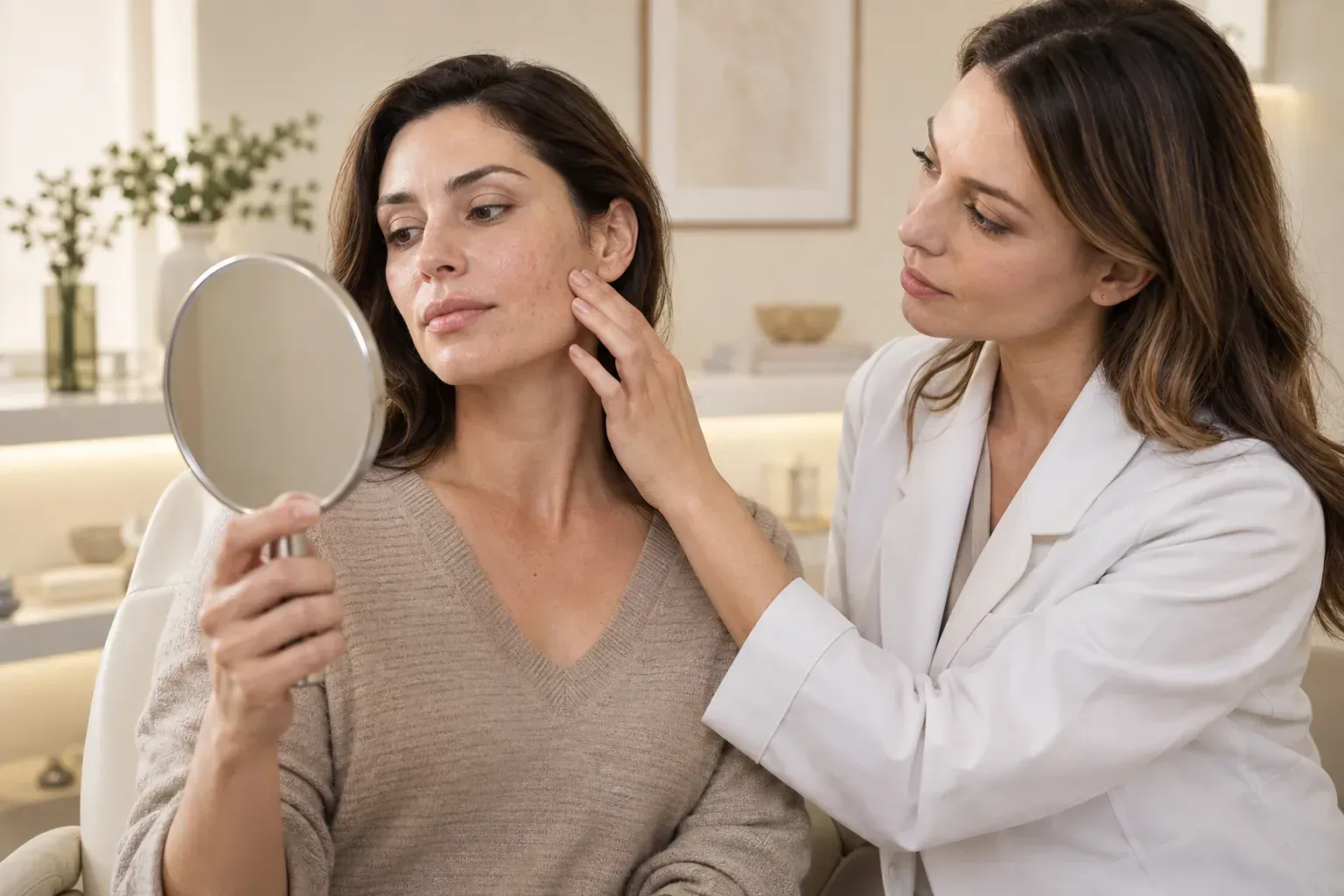
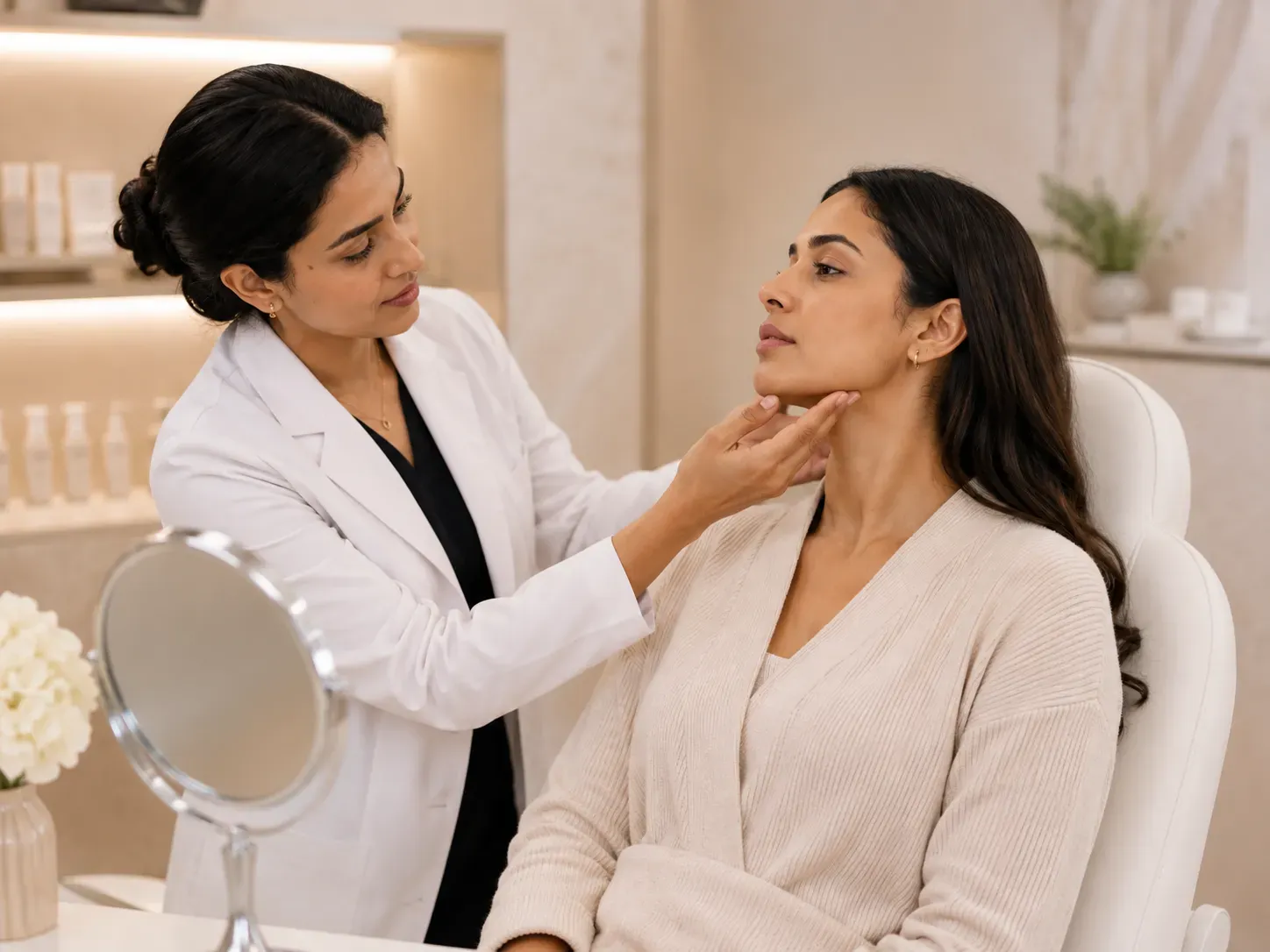
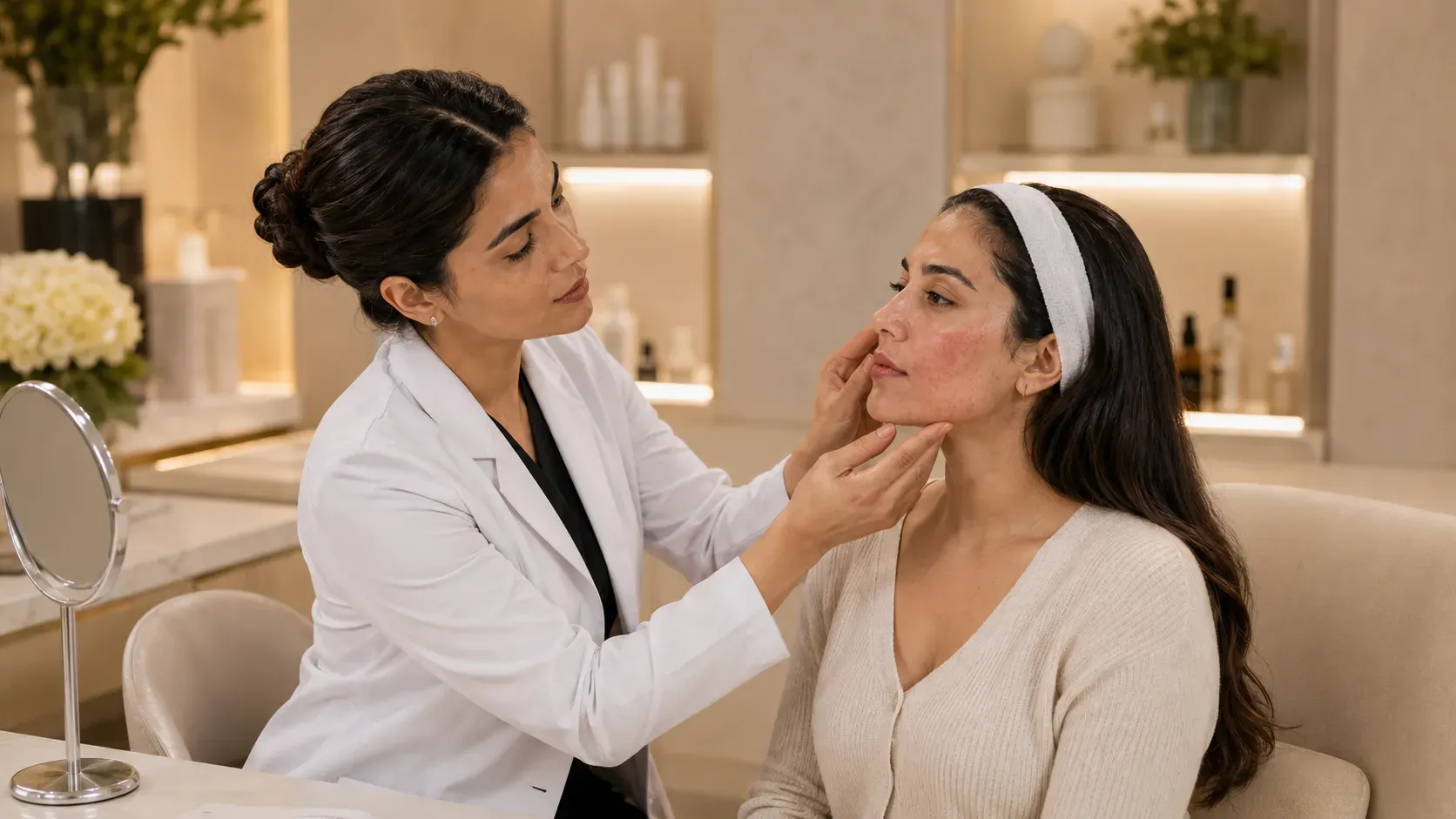
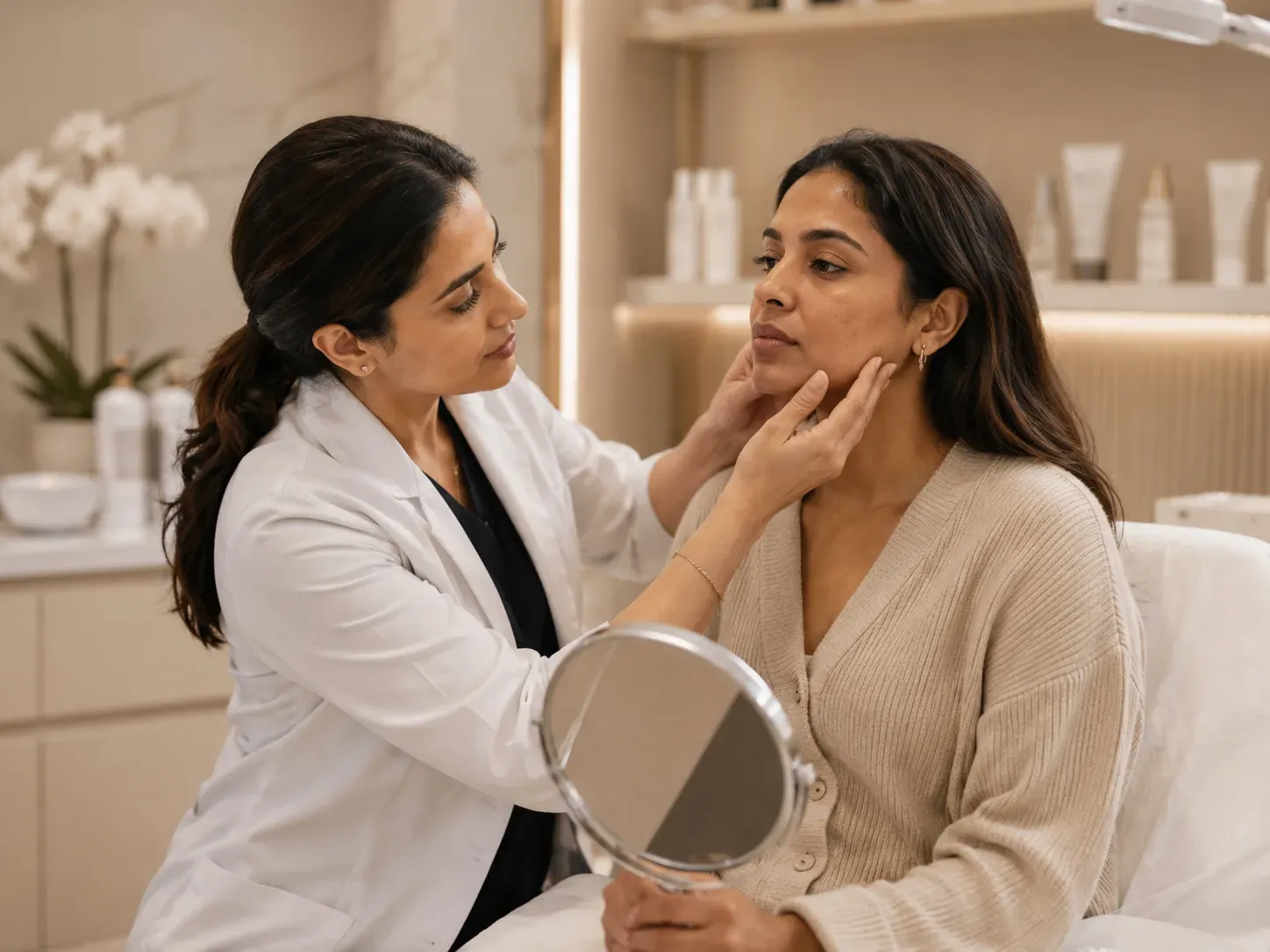
During a consultation, we review your skin concerns, previous treatments, current products, sensitivity, lifestyle factors and treatment goals.
This allows us to recommend a more personalized approach rather than treating every form of pigmentation in the same way. Learn more about our personalized skin consultation in Mississauga.
A Long-Term Approach to Melasma Care
Melasma often requires patience, consistency and realistic expectations.
Improvement may be gradual, and maintenance may remain important even after the pigmentation has become less visible.
At Luxe Beauty & Wellness Spa, treatment planning may involve professional skincare, advanced technology, carefully selected treatments and ongoing maintenance based on the condition and response of your skin.
The goal is to support clearer, more even-looking skin without relying on overly aggressive or random treatment choices.
Begin With a Personalized Melasma Consultation
If melasma or recurring pigmentation is affecting your skin, begin with a personalized consultation.
We can assess your skin, review your history and help determine whether a structured corrective pigmentation program may be appropriate.
SHARE THIS ARTICLE:
Leave a Comment:
Our Recent Article:


Luxe Beauty and Wellness Spa
Experience the Luxe Difference Today!
Book Your Appointment and Discover the Ultimate in Beauty and Wellness.