

Melasma vs. Hyperpigmentation: What’s the Difference?
A Luxe Skin Guide to Understanding Facial Pigmentation
Dark patches, brown spots and uneven skin tone can look similar on the surface, but they do not necessarily develop for the same reason.
Two terms clients frequently encounter are melasma and hyperpigmentation.
Although melasma is a form of hyperpigmentation, not all hyperpigmentation is melasma.
Understanding the difference matters because pigmentation that looks similar may behave differently, respond differently to treatment and require a different long-term strategy.
This Luxe Skin Guide explains the distinction between melasma, general hyperpigmentation and post-inflammatory hyperpigmentation — and why identifying the likely type of pigmentation should come before choosing a treatment.
Not Sure What Type of Pigmentation You Have?
Start with a personalized consultation so we can understand your skin and recommend the right approach for you.
In this guide:
- What hyperpigmentation means
- What makes melasma different
- What post-inflammatory hyperpigmentation is
- Why different pigmentation types can be confused
- Why skin tone and inflammation matter
- When professional assessment may help
- Which Luxe pathway may be appropriate
Explore Luxe Corrective Skin Programs
Discover our advanced corrective solutions designed to target pigmentation and support long-term skin clarity.
What Is Hyperpigmentation?
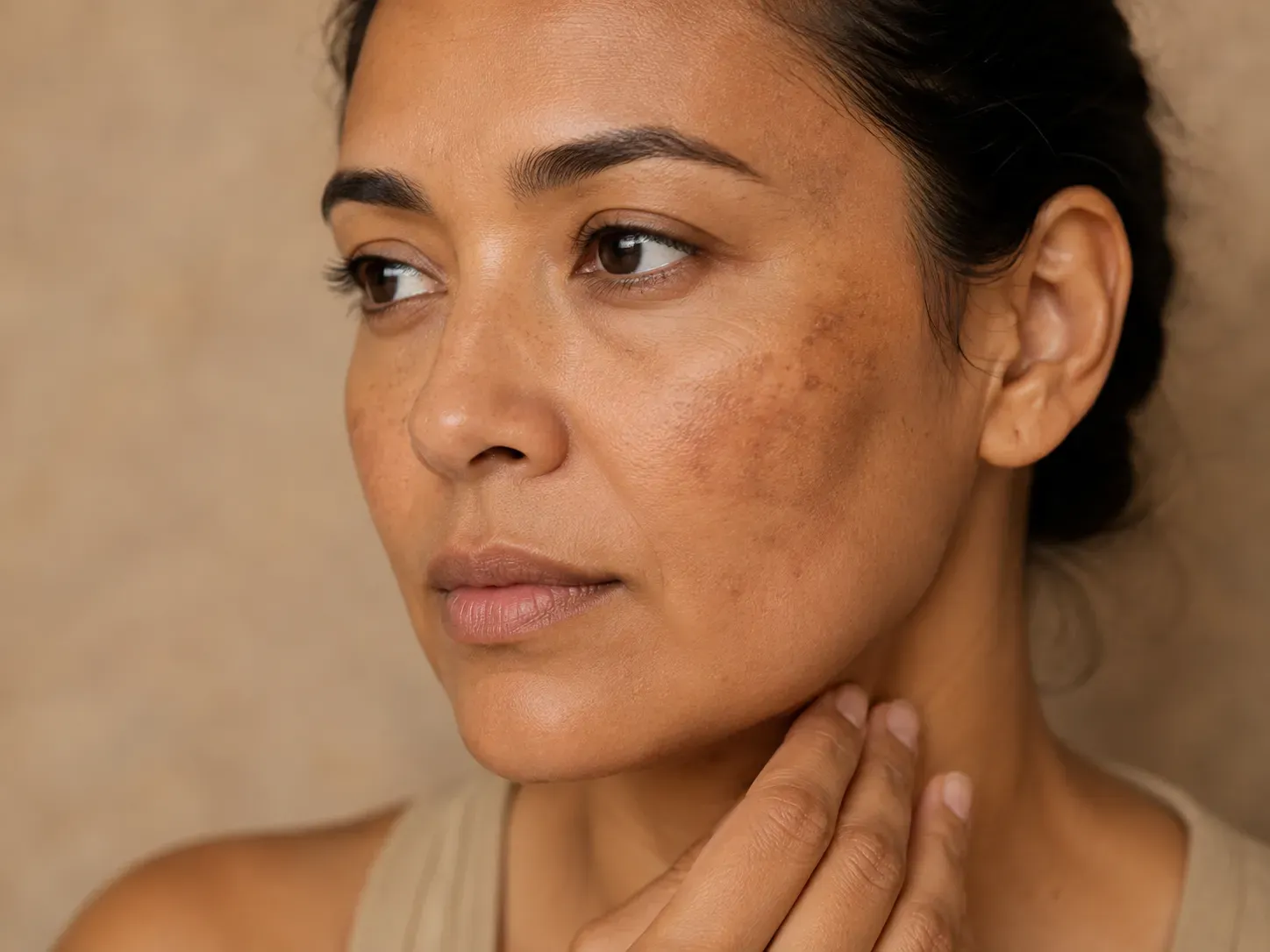
Hyperpigmentation is a broad term used to describe areas of skin that appear darker than the surrounding skin because of increased pigment.
Hyperpigmentation may develop for several reasons, including:
- Sun exposure
- Inflammation
- Acne
- Skin injury
- Hormonal influences
- Previous irritation
- Certain skin conditions
- Individual pigmentation response
It may appear as isolated spots, irregular patches or more widespread uneven tone.
Because hyperpigmentation can have different causes, understanding why the pigmentation
developed is an important part of determining an appropriate treatment approach.
What Is Melasma?
Melasma is a specific form of acquired hyperpigmentation.
It commonly appears as irregular brown or grey-brown patches and often develops in a relatively symmetrical pattern.
Melasma frequently affects areas such as the:
- Cheeks
- Forehead
- Upper lip
- Nose
- Chin
Several factors may influence melasma, including hormonal activity, ultraviolet exposure and visible light.
Melasma can also be persistent and prone to recurrence.
That is one reason treating melasma as though it were simply an isolated brown spot may produce disappointing or inconsistent results.
Melasma vs. Other Hyperpigmentation
| Characteristic | Melasma | Other Hyperpigmentation |
|---|---|---|
| Typical Appearance | Often symmetrical patches | Spots, patches or irregular areas |
| Common Influences | Hormonal influences, light exposure and other factors | Sun exposure, inflammation, acne, injury or irritation |
| Common Location | Frequently central areas of the face | Can develop on many areas of the skin |
| Recurrence | Can be persistent and recurrent | Depends strongly on the underlying cause |
| Treatment Planning | Often requires careful long-term management | Depends on the cause and type of pigmentation |
| Assessment Importance | High because inappropriate treatment may aggravate pigmentation | Important because different causes respond differently |
Educational Note:
This comparison is intended to help explain common differences. It is not intended to diagnose pigmentation from appearance alone.
Pigmentation that is unclear, changing or medically concerning should be assessed by an appropriate healthcare professional.
What Is Post-Inflammatory Hyperpigmentation?
Post-inflammatory hyperpigmentation, often shortened to PIH, develops after inflammation or injury to the skin.
The inflammation resolves, but an area of increased pigmentation may remain.
Examples may include pigmentation left behind following:
- Acne
- Irritation
- Burns
- Picking or scratching
- Aggressive skin treatments
- Other inflammatory skin concerns
PIH can occur in any skin tone, but it may be particularly noticeable and persistent in melanin- rich skin.
This is one reason avoiding unnecessary inflammation can be an important part of corrective treatment planning.
Why Melasma and PIH Can Be Confused
Both melasma and post-inflammatory hyperpigmentation can create brown, grey-brown or unevenly pigmented areas of skin.
A person may also have more than one type of pigmentation at the same time.
For example:
Someone with melasma may also develop post-inflammatory pigmentation following acne, irritation or an aggressive treatment.
That can make the overall pigmentation pattern more complicated.
This is one reason self-diagnosis based on photographs online — or selecting treatments simply because someone else's pigmentation looks similar — can be unreliable.
Why Identifying the Type of Pigmentation Matters
Different pigmentation concerns do not necessarily respond identically to treatment.
An appropriate approach may depend on several factors.
Likely Cause
Pigmentation related to inflammation may need to be approached differently from recurring hormonally influenced pigmentation.
Pattern & Appearance
The location, symmetry and appearance of pigmentation can provide useful information when planning treatment.
Skin Tone
Treatment selection should consider the individuals skin tone and pigmentation response.
History of Inflammation
Previous acne, irritation or treatment reactions may help explain why pigmentation developed.
Previous Treatments
Knowing what has already been tried — and whether it improved or worsened pigmentation — can influence future planning.
Sun & Light Exposure
Light exposure can influence many pigmentation concerns and is especially important in melasma management.
This is why Luxe's corrective skin approach begins with assessment rather than automatically recommending a laser, peel or product based only on the visible colour of the pigmentation.
Can Laser Treat Pigmentation?
Laser technology can play a role in treating certain pigmentation concerns, but pigmentation should not automatically be treated more aggressively simply because it is visible.
Treatment suitability depends on:
- Type of pigmentation
- Skin tone
- Pigmentation history
- Previous treatment response
- Technology being considered
- Treatment parameters
- Individual skin sensitivity
Luxe may use Aerolase technology as part of appropriate corrective skin plans, but the device does not replace professional assessment.
This distinction becomes particularly important with melasma and melanin-rich skin, where unnecessary inflammation or inappropriate treatment may contribute to worsening pigmentation.
Why Sun Protection Matters With Pigmentation
Light exposure can influence many pigmentation concerns and is particularly important in the long-term management of melasma.
Professional treatment is only one part of a pigmentation plan.
Consistent daily protection can help reduce unnecessary stimulation of pigmentation and support the progress achieved through professional care.
A corrective pigmentation strategy may therefore include:
- Appropriate sun protection
- Sensible light-exposure habits
- Professional treatment
- Pigmentation-supportive skincare
- Long-term maintenance planning
Professional treatment without appropriate daily protection may limit progress.
Can Pigmentation Come Back?
Whether pigmentation returns depends partly on why it developed.
Some pigmentation may improve significantly once the original trigger has resolved.
Melasma, however, can behave as a recurrent condition.
For that reason, the goal with melasma is often not to promise permanent removal.
A more realistic strategy may involve:
- Visible improvement
- Reducing recurrence
- Managing known triggers
- Appropriate professional skincare
- Consistent sun protection
- Maintenance treatment when appropriate
Understanding this before treatment helps establish more realistic expectations.
When Should Pigmentation Be Professionally Assessed?
Consider professional skin assessment when:
- Pigmentation continues to return
- You are unsure whether you have melasma or PIH
- Pigmentation developed after acne or inflammation
- Previous treatments made pigmentation darker
- Multiple products have produced little improvement
- You have melanin-rich skin and are considering laser treatment
- More than one pigmentation concern appears to be present
- You want to understand which professional options may be appropriate
IMPORTANT MEDICAL CALLOUT
Pigmented lesions that are new, changing, irregular or medically concerning should not be treated as an aesthetic pigmentation concern without appropriate medical assessment.
Luxe Beauty & Wellness Spa does not diagnose suspicious skin lesions.
Which Luxe Pigmentation Path Is Right for Me?
At Luxe Beauty & Wellness Spa, acne treatment is not approached as a quick surface fix. Our focus is to support active acne reduction while improving the surrounding skin environment, barrier health, visible clarity, and long-term stability.
Each program is customized following a personalized consultation to determine the most appropriate combination of treatments, skincare support, technology, and maintenance planning.
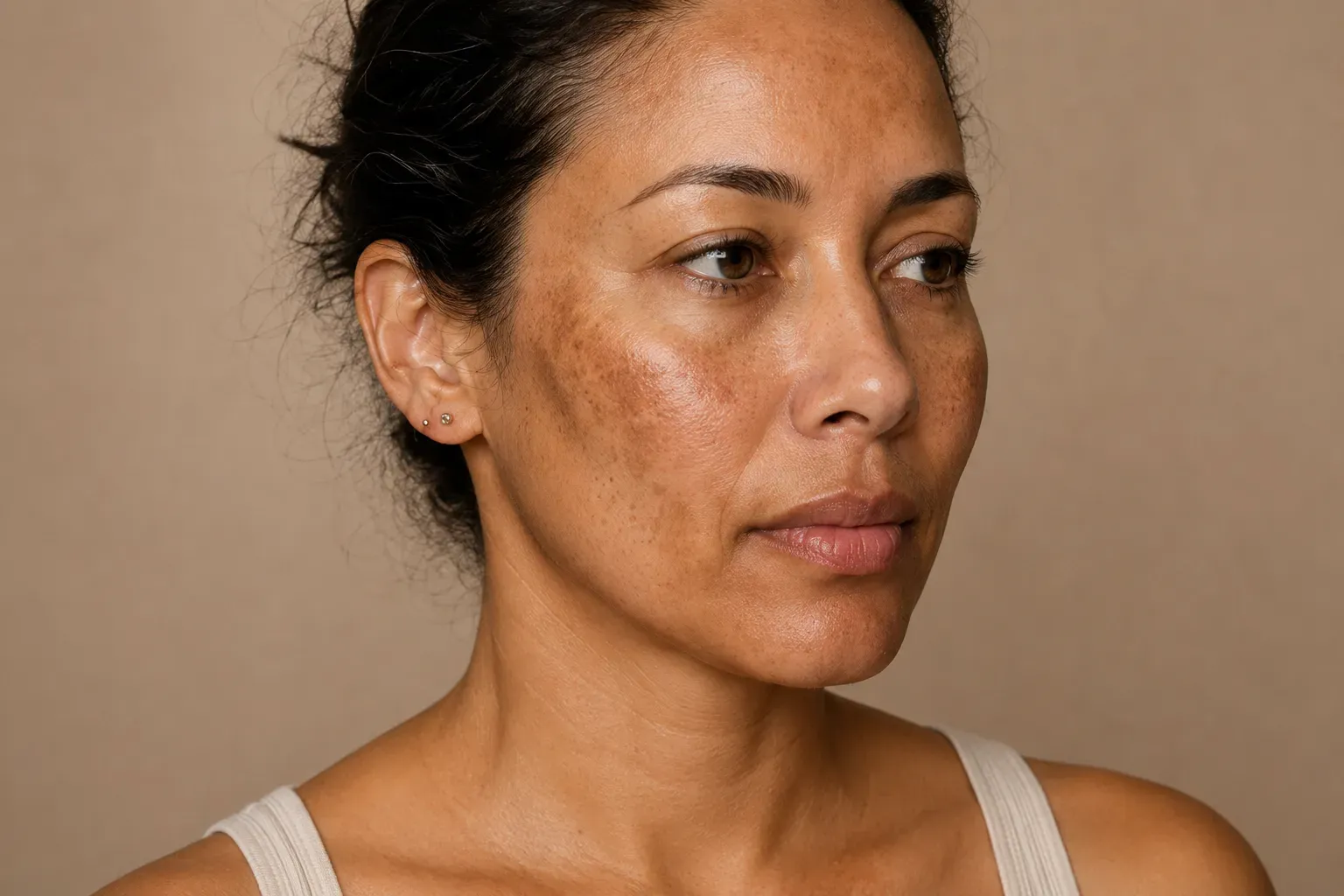
My Pigmentation Appears as Recurring, Symmetrical Facial Patches
Melasma may require a more careful and long-term approach because it can be influenced by multiple factors and may recur.
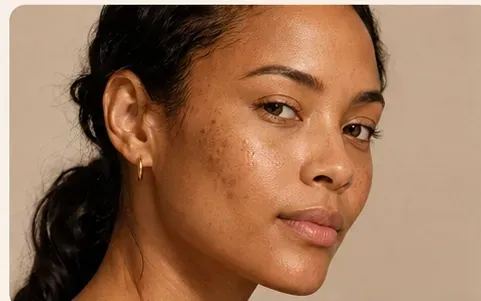
My Primary Concern Is Brown Spots or Uneven Pigmentation
If isolated dark spots, uneven tone or general pigmentation are the primary concern, Luxe's Hyperpigmentation program may be the better starting point.

I Have Melanin-Rich Skin and Am Concerned About PIH or Laser Safety
Treatment selection should consider pigmentation response, skin tone and the possibility of post- inflammatory changes.
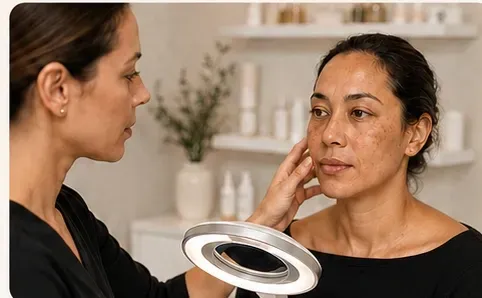
I Am Not Sure What Type of Pigmentation I Have
When pigmentation is persistent, recurrent or difficult to identify, assessment is the best place to begin.
Why Luxe Begins With Understanding the Pigmentation
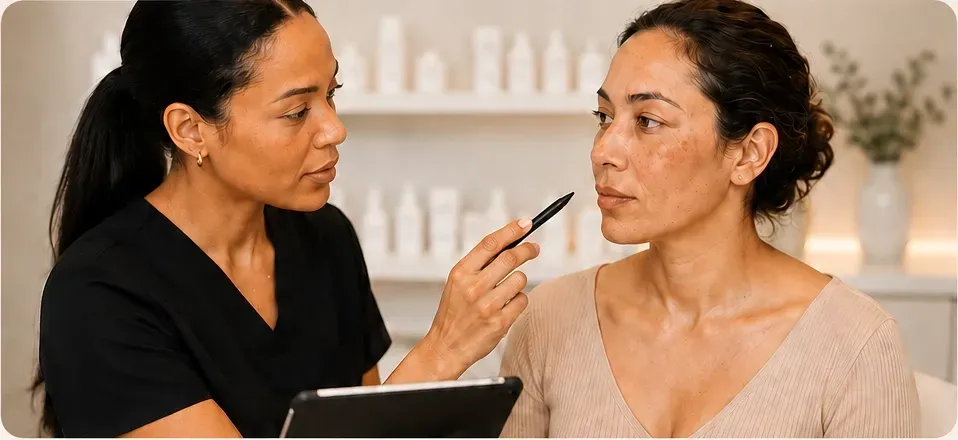
At Luxe Beauty & Wellness Spa, pigmentation is not treated as one universal skin concern.
Our corrective approach begins by understanding what the pigmentation looks like, how it
developed, how the skin responds to inflammation and what the client has already tried.
Pigmentation Type Matters
Melasma, PIH and other pigmentation concerns can behave differently.
Skin Tone Matters
The skin's response to heat and inflammation should be considered before treatment is selected.
Treatment History Matters
Previous treatment reactions can help guide future decision-making.
Long-Term Management Matters
Some pigmentation concerns require maintenance and trigger management rather than a single treatment.
Technology Comes After Assessment
The goal is not to decide which machine to use first. The goal is to understand the skin and then determine whether a particular treatment or
technology is appropriate.
Frequently Asked Questions About Melasma &
Hyperpigmentation
Understand Your Skin Before Treating It
Pigmentation is not one condition.
Understanding whether you are dealing with melasma, post-inflammatory pigmentation, sun-related pigmentation or another concern can help determine a more appropriate path forward.
At Luxe Beauty & Wellness Spa in Mississauga, our corrective approach begins by
understanding the skin before selecting treatment.