
Acne Marks vs. Acne Scars: What’s the Difference?
A Luxe Skin Guide to Post-Acne Colour Changes and Uneven Texture
Acne can leave visible changes long after active breakouts have healed. However, not every mark left behind is a true acne scar.
Some people develop flat brown, red or pink marks following inflammation, while others experience changes in skin texture, including shallow depressions, deeper indentations or raised scars.
Acne marks generally involve changes in skin colour, while true acne scars involve structural changes in the skin.
Understanding the difference is important because post-acne discolouration and acne scarring often require different corrective treatment approaches.
This Luxe Skin Guide explains how to recognize common differences between acne marks and acne scars, why skin tone and inflammation matter, and how professional assessment can help determine an appropriate treatment pathway.
Are These Acne Marks or Acne Scars?
Flat post-acne marks and textured acne scars can require different treatment approaches. At Luxe Beauty & Wellness Spa in Mississauga, we assess your skin concerns and recommend a personalized corrective treatment plan designed around your skin's needs.
In this guide:
- What acne marks are and why they appear
- How acne scars differ from acne marks
- Red, pink and brown post-acne marks
- Common types of acne scarring
- Why skin tone and inflammation matter
- When professional skin assessment can help
- Which Luxe corrective treatment pathway may be appropriate
Explore Luxe Acne & Acne Scar Treatments
Discover personalized corrective skin treatments at Luxe Beauty & Wellness Spa in Mississauga, designed to address post-acne discolouration, uneven skin texture, and visible acne scarring.
Our approach begins with understanding your skin concerns and identifying an appropriate treatment pathway.
What Are Acne Marks?
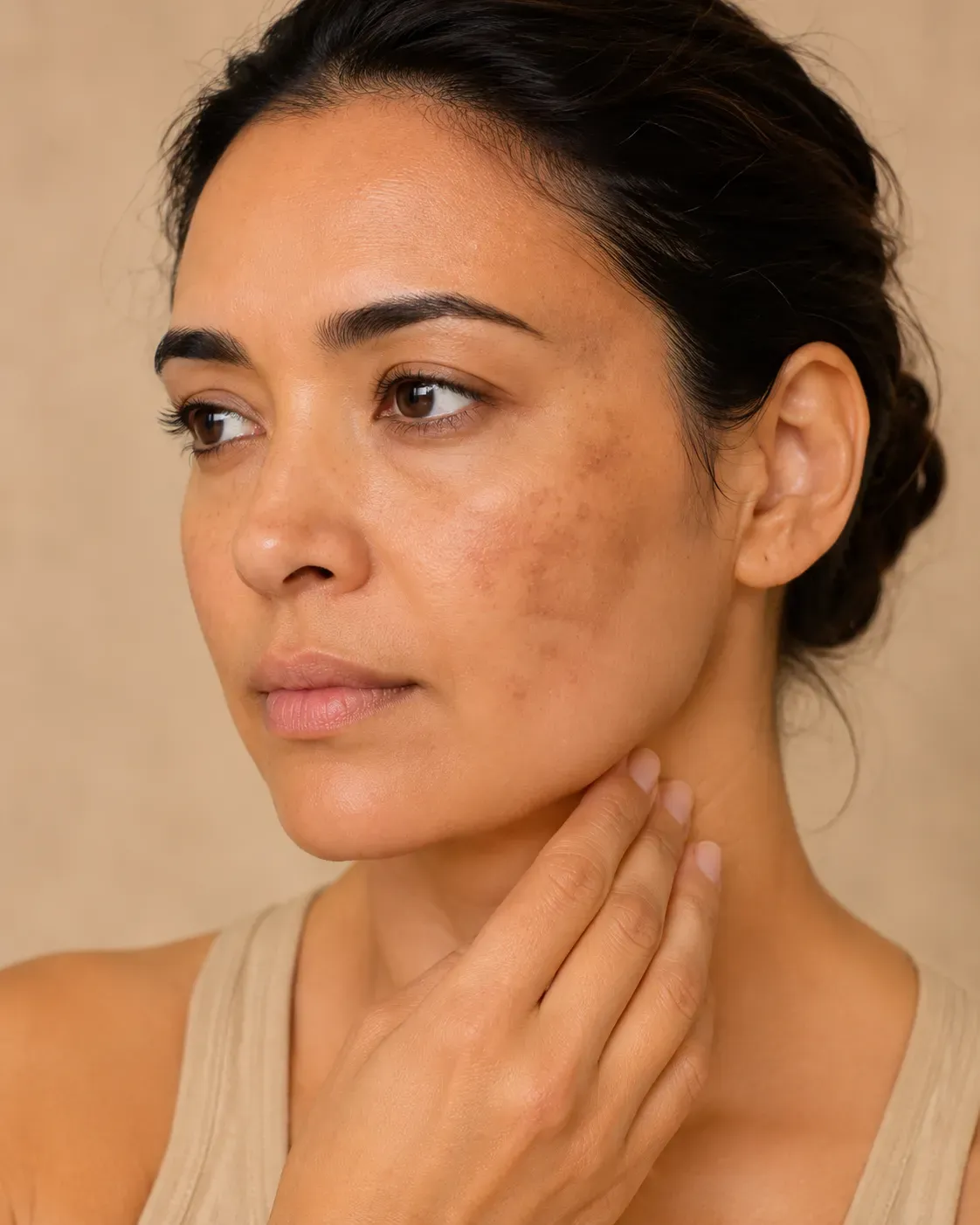
Acne marks are flat areas of skin discolouration that remain after an acne breakout has healed. Unlike true acne scars, these marks typically involve changes in skin colour rather than permanent changes to skin texture.
Two common types of post-acne marks include:
Post-Inflammatory Hyperpigmentation (PIH)
Brown, dark brown or greyish marks that develop when inflammation stimulates excess melanin production. These marks can be particularly persistent in melanin-rich skin.
Post-Inflammatory Erythema (PIE)
Red, pink or purplish marks associated with lingering redness and changes in small blood vessels following acne-related inflammation.
Why Do Acne Marks Last?
Post-acne marks may gradually fade, but some remain visible for months or longer. Their persistence can be influenced by:
- Skin tone and individual pigmentation response
- Severity and duration of inflammation
- Sun exposure
- Repeated acne breakouts or skin irritation
Understanding whether a mark is caused by pigmentation or lingering redness helps determine the most appropriate corrective approach.
What Are Acne Scars?
Acne scars are structural changes in the skin that can develop when inflammation damages the surrounding tissue and affects normal collagen production during healing.
Unlike flat post-acne marks, true acne scars often change the skin's surface, creating depressions, uneven texture or raised areas.
Common types of acne scars include:
- Ice Pick Scars: Small, narrow and deep indentations.
- Boxcar Scars: Round or oval depressions with defined edges.
- Rolling Scars: Broad, shallow depressions that create an uneven or wave-like skin texture.
- Raised Scars: Thickened areas of scar tissue caused by excessive collagen formation during healing.
-
Acne scars commonly develop on the cheeks, temples and jawline, although they may appear elsewhere.
Because different types of acne scars involve different structural changes, identifying the scar type is essential when considering corrective treatment.
Why Acne Scars Require a Different Approach
Acne scars generally do not fade in the same way as flat post-acne marks because they involve changes in the skin's underlying structure.
Professional treatments may help improve the appearance of certain scars by supporting collagen remodelling and skin texture improvement.
The most appropriate approach depends on scar type, severity, skin tone and individual healing characteristics. Multiple treatments may be necessary, and complete removal cannot be guaranteed.
Acne Marks vs. Acne Scars: Key Differences
| Characteristic | Acne Marks | Acne Scars |
|---|---|---|
| Typical Appearance | Flat brown, red, pink or purplish discolouration | Depressed, uneven or raised skin texture |
| Skin Surface | Generally smooth, without a new indentation | Visible changes in skin structure or texture |
| Common Cause | Post-inflammatory pigmentation or lingering redness after acne | Inflammation and changes in collagen during healing |
| Natural Fading | May gradually fade over months, although some persist longer | Often persist without treatment, although appearance may improve |
| Treatment Planning | Focuses on pigmentation, redness, inflammation and skin tone | Focuses on scar type, texture and collagen remodelling |
| Assessment Importance | Helps distinguish pigmentation from redness and other skin concerns | Helps identify scar depth, type and appropriate treatment options |
Educational Note:
Acne marks and acne scars can sometimes appear together, making it difficult to distinguish between colour changes and structural scarring without a professional assessment.
This comparison is intended for educational purposes and should not be used to diagnose a skin condition.
Persistent, changing or medically concerning skin changes should be assessed by an appropriate healthcare professional.
Why Does Acne Leave Dark Marks? (PIH)
When acne causes inflammation, the skin may respond by producing excess melanin. Even after a breakout heals, this pigment can remain as flat brown, dark brown or greyish marks.
This condition is called
post-inflammatory hyperpigmentation (PIH) and is one of the most common reasons dark spots remain after acne.
Unlike true acne scars, these marks generally do not create indentations or permanent changes in skin texture.
Why Do Some Acne Marks Last Longer?
Several factors can influence the appearance and persistence of post-acne dark marks:
- Repeated or ongoing acne breakouts
- Picking, squeezing or scratching blemishes
- Sun exposure and visible light
- Aggressive skincare treatments or irritation
- Individual skin tone and pigmentation response
- Severity and duration of inflammation
PIH can affect all skin tones but may be particularly noticeable and persistent in melanin-rich skin.
Why Does Skin Tone Matter?
Skin with a stronger pigmentation response may develop more noticeable dark marks following inflammation.
This is why corrective treatment should consider the individual's skin tone, inflammation history and sensitivity before selecting an approach.
Controlling active acne, avoiding unnecessary irritation and using appropriate sun protection can help reduce the risk of additional pigmentation.
At Luxe Beauty & Wellness Spa in Mississauga, understanding these factors helps guide personalized corrective skin treatment planning.
Can Acne Marks and Acne Scars Occur Together?
Yes. Acne marks and acne scars can develop together, sometimes in the same area of skin.
Following an inflammatory breakout, a person may experience several visible changes:
- Flat brown or dark marks caused by post-inflammatory hyperpigmentation (PIH)
- Red or pink marks associated with post-inflammatory erythema (PIE)
- Shallow depressions or uneven texture caused by acne scarring
- Continued active acne alongside older marks and scars
When pigmentation develops around an indented scar, the affected area may appear darker and more noticeable.
Similarly, changes in lighting can make uneven skin texture more visible, even when pigmentation is minimal.
Why does this distinction matter?
Improving post-acne pigmentation does not necessarily correct an underlying indentation. Likewise, treatments designed to improve skin texture may not address every type of lingering discolouration.
This is why a personalized corrective approach should consider both skin colour and skin structure, rather than treating every post-acne concern in the same way.
Why Professional Assessment Matters
At Luxe Beauty & Wellness Spa in Mississauga, evaluating post-acne concerns involves considering active breakouts, pigmentation, redness, skin texture and individual healing characteristics.
Identifying which concerns are present helps guide an appropriate treatment plan and establish realistic expectations.
Some clients may benefit from addressing active acne and inflammation before beginning treatments focused on residual marks or scarring.
Why Acne Marks and Acne Scars Need Different Treatment Approaches
Not all post-acne skin concerns respond to the same treatments. Flat discolouration, lingering redness and structural acne scars involve different changes within the skin.
Identifying the type of post-acne concern helps determine an appropriate corrective approach, reduce unnecessary irritation and establish realistic treatment expectations.
Type of Post-Acne Concern
Flat brown marks, persistent redness and depressed acne scars may look similar at first glance, but each involves different skin changes and may require a different treatment approach.
Scar Type & Skin Texture
Ice pick, boxcar and rolling scars vary in depth and structure. Understanding the type and severity of scarring helps guide appropriate treatment planning.
Skin Tone & Sensitivity
Individual skin tone, pigmentation response and sensitivity are important considerations. Treatment selection should aim to improve skin appearance while minimizing the risk of irritation or additional pigmentation.
Active Acne & Healing History
Ongoing breakouts, previous inflammation, skincare habits and past treatment reactions can influence how the skin responds. In some cases, controlling active acne should come before treatments focused on residual scarring.
Previous Acne Treatments & Skin Response
Previous acne treatments, skincare products and procedures can influence skin sensitivity and healing. Understanding what has already been tried, and how the skin responded, helps guide future corrective treatment planning.
Sun Exposure & Post-Acne Marks
Ultraviolet exposure can darken post-inflammatory hyperpigmentation and make brown acne marks more persistent. Appropriate daily sun protection is an important part of managing post-acne discolouration and supporting long-term skin health.
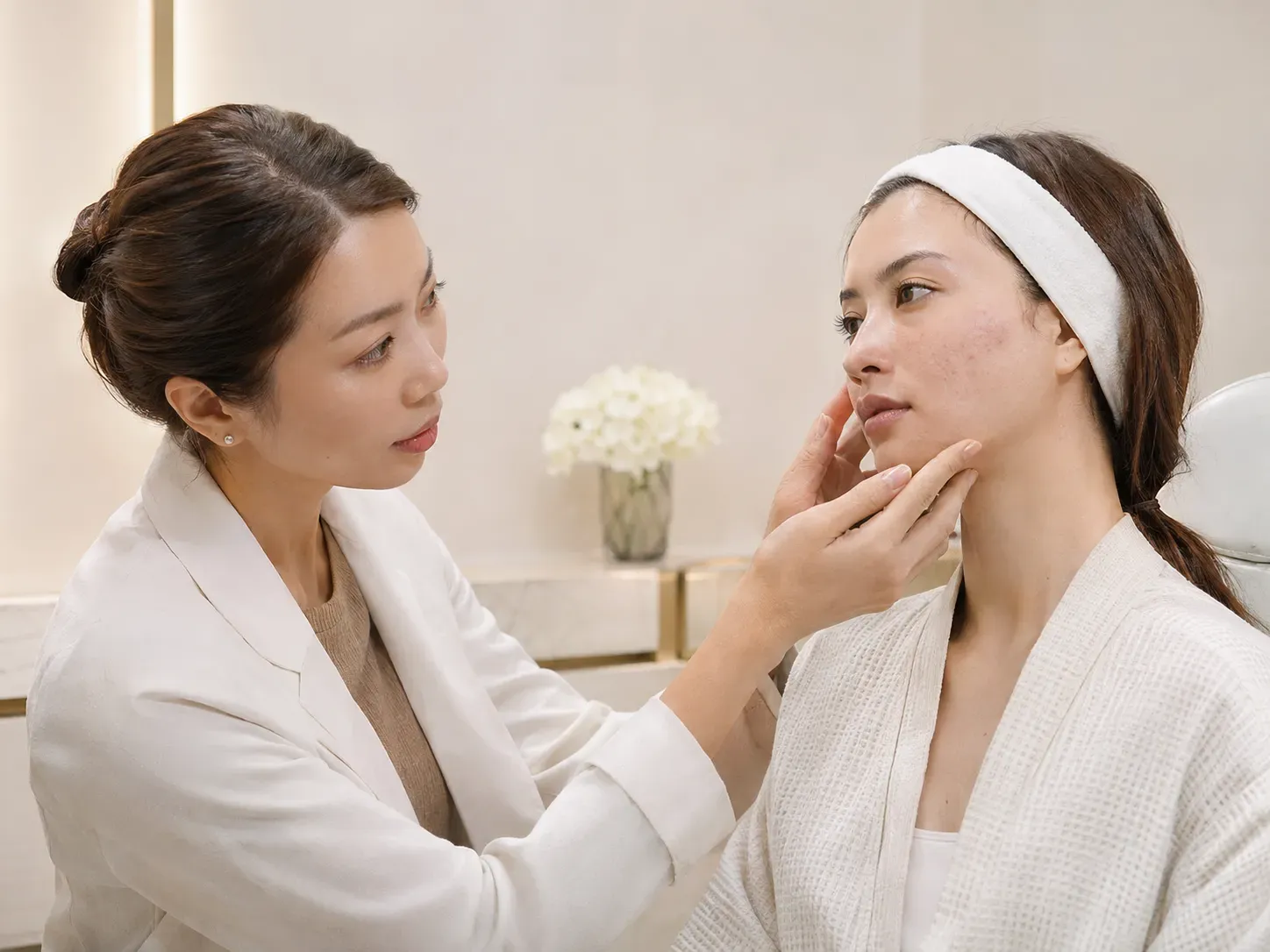
At Luxe Beauty & Wellness Spa in Mississauga, our corrective skin approach begins with understanding whether post-acne concerns involve pigmentation, lingering redness, structural scarring or a combination of these conditions.
Rather than automatically recommending a laser, peel or other treatment, we assess your skin to develop a personalized approach focused on your concerns, skin health and realistic improvement.
Can Laser Treatments Help Acne Marks and Acne Scars?
Laser technology may help improve certain post-acne skin concerns, but acne marks and acne scars do not necessarily respond to the same treatments.
Flat brown marks, persistent redness and depressed acne scars involve different changes in the skin. Understanding these differences is essential before recommending laser-based treatment.
Treatment suitability depends on:
- Whether the concern involves pigmentation, redness or scarring
- Type and depth of acne scars
- Presence of active acne or inflammation
- Individual skin tone and pigmentation response
- Previous treatments and healing history
- Laser technology and treatment settings
- Skin sensitivity and realistic treatment expectations
Some post-acne concerns may benefit from laser-based treatments, while others may require microneedling, a combination of corrective approaches or alternative care.
The goal is to select an appropriate treatment strategy rather than applying the same technology to every acne-related concern.
Why Laser Selection & Skin Assessment Matter
At Luxe Beauty & Wellness Spa in Mississauga, Aerolase technology may be incorporated into personalized corrective skin programs when appropriate.
However, not every type of acne scar or post-acne mark is suitable for the same laser treatment.
Careful consideration of skin tone, inflammation, scar structure and treatment settings is especially important for minimizing the risk of irritation or additional pigmentation.
Professional assessment helps determine whether laser treatment, microneedling or another corrective approach may be appropriate.
Why Sun Protection Matters for Post-Acne Marks
Sun exposure can make certain post-acne marks darker and more persistent, particularly when inflammation has triggered excess melanin production.
Even after an acne breakout has healed, ultraviolet (UV) exposure can contribute to lingering discolouration and uneven skin tone.
Can Sun Exposure Make Acne Marks Worse?
Brown post-acne marks, known as post-inflammatory hyperpigmentation (PIH), may become more noticeable with sun exposure.
Although sunscreen cannot remove structural acne scars, appropriate sun protection helps protect healing skin and reduce the risk of additional pigmentation.
A supportive post-acne skincare routine may include:
- Daily broad-spectrum sunscreen with SPF 30 or higher
- Consistent sun protection throughout the year
- Avoiding excessive sun exposure
- Gentle skincare that supports the skin barrier
- Appropriate management of active acne
- Professional corrective treatments when suitable
For people prone to hyperpigmentation, tinted sunscreens containing iron oxides may provide additional protection against visible light that can contribute to darkening.
Long-Term Skin Clarity Matters
At Luxe Beauty & Wellness Spa in Mississauga, we encourage an approach that combines appropriate corrective treatments with consistent home skincare and sun protection.
Managing post-acne marks is not simply about improving existing discolouration. It also involves helping reduce the likelihood of new marks developing.
Do Acne Marks Fade? Can Acne Scars Improve?
Acne marks and acne scars can behave very differently over time. Understanding what may improve naturally and what may require professional treatment helps establish realistic expectations.
Do Acne Marks Fade Naturally?
Flat brown, red or pink post-acne marks may gradually fade as the skin recovers from inflammation.
However, some marks can remain visible for months or longer, depending on skin tone, inflammation, sun exposure and individual healing characteristics.
Are Acne Scars Permanent?
True acne scars involve structural changes in the skin and are generally more persistent than flat post-acne marks.
Although certain professional treatments may improve the appearance of acne scars, complete removal cannot be guaranteed.
A long-term corrective approach may involve:
- Managing active acne to help prevent new marks and scars
- Reducing unnecessary inflammation and irritation
- Consistent daily sun protection
- Appropriate home skincare
- Professional treatments selected for the type of concern
- Supporting collagen remodelling when appropriate
- Maintenance and follow-up based on individual skin needs
Can Acne Marks or Scars Develop Again?
New acne breakouts can lead to additional pigmentation or scarring, even after previous concerns have improved.
For this reason, successful corrective skin care involves more than addressing existing marks or scars. It also means managing the underlying factors that contribute to new breakouts and inflammation.
At Luxe Beauty & Wellness Spa in Mississauga, treatment planning focuses on realistic improvement, prevention of additional skin damage and long-term skin health.
When Should Acne Marks or Scars Be Professionally Assessed?
Consider a professional skin assessment when:
- You are unsure whether you have flat acne marks or true acne scars
- Brown, red or pink marks remain long after breakouts have healed
- Your skin has visible indentations, pitting or uneven texture
- Repeated acne breakouts continue to cause new marks or scars
- Skincare products have produced little visible improvement
- You have melanin-rich skin and are concerned about persistent post-acne pigmentation
- Previous treatments have caused irritation or worsened pigmentation
- You want to understand whether laser treatments, microneedling or other corrective options may be appropriate
At Luxe Beauty & Wellness Spa in Mississauga, a personalized skin assessment helps identify visible post-acne concerns, evaluate skin characteristics and guide appropriate corrective treatment recommendations.
When Medical Assessment Is Important
Severe or painful acne, signs of skin infection, or persistent inflammatory skin conditions may require assessment by a qualified healthcare professional.
Skin lesions that are new, changing, bleeding or otherwise medically concerning should also be evaluated before considering cosmetic treatment.
Luxe Beauty & Wellness Spa provides aesthetic skin assessments and does not diagnose suspicious skin lesions or medical skin conditions.
Which Luxe Acne & Acne Scar Treatment Path Is Right for Me?
At Luxe Beauty & Wellness Spa in Mississauga, choosing an appropriate corrective treatment begins with identifying whether your primary concern is active acne, post-acne discolouration, acne scarring or a combination of these conditions.
The four pathways below can help you explore the most relevant starting point.
Each treatment program is personalized according to your skin condition, skin tone, previous treatment history and individual concerns. A professional assessment helps determine the most appropriate approach and realistic expectations.
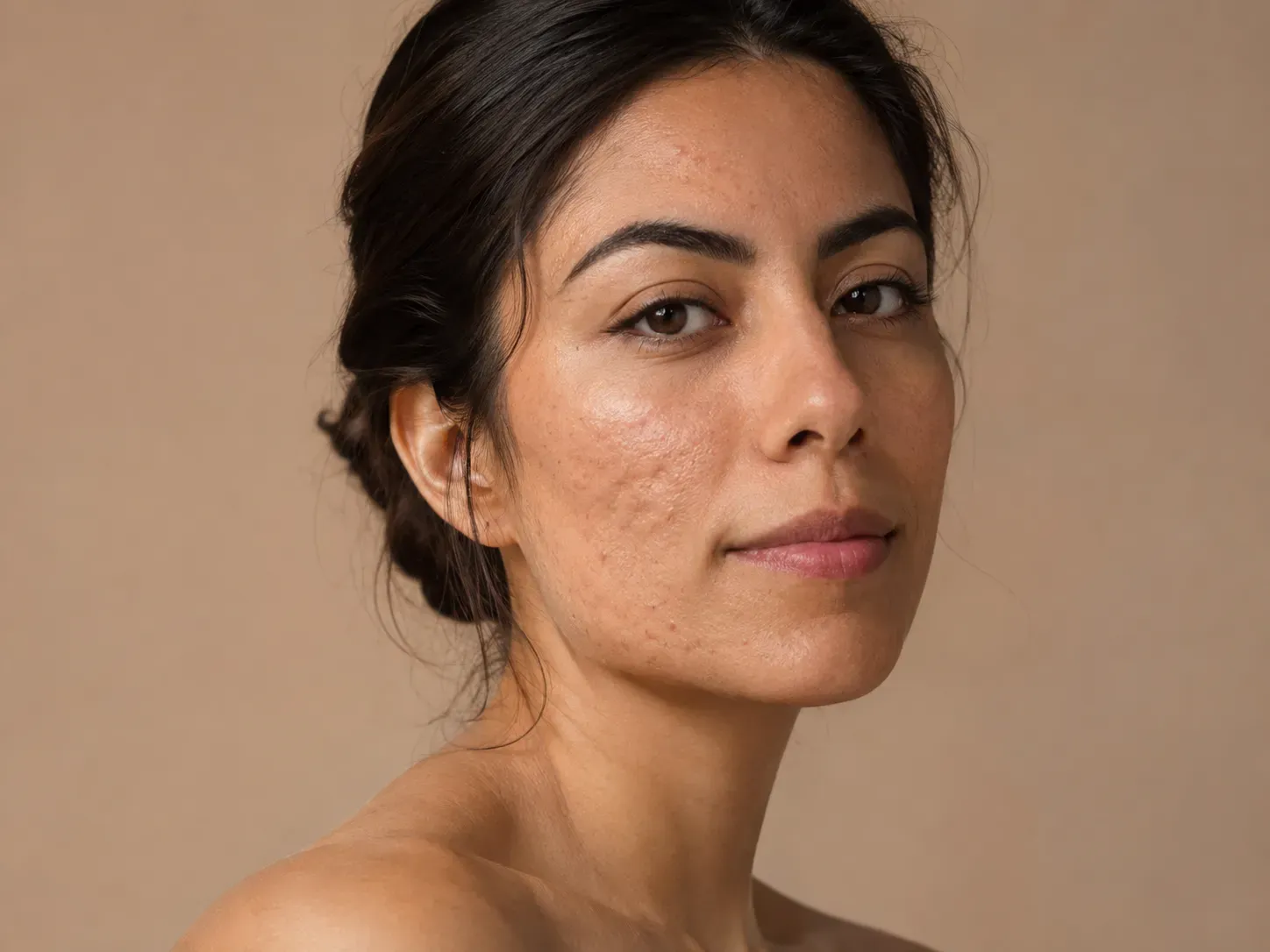
My Primary Concern Is Brown Acne Marks or Post-Acne Discolouration
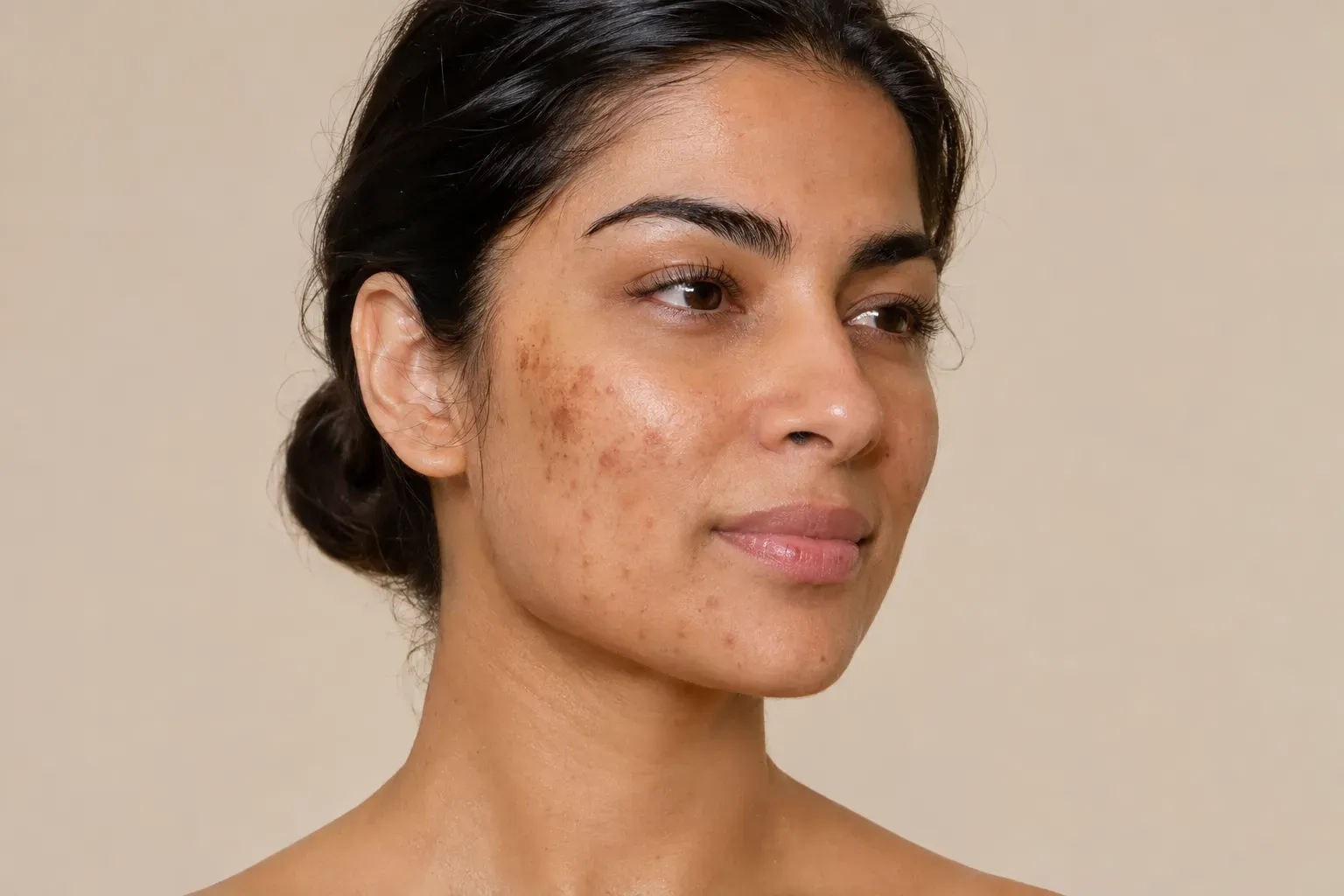
Acne marks often appear as flat brown, tan or darker spots left behind after inflammation has healed.
If your main concern is post-acne pigmentation rather than indentations or uneven texture, Luxe’s pigmentation-focused approach may be the more appropriate starting point.
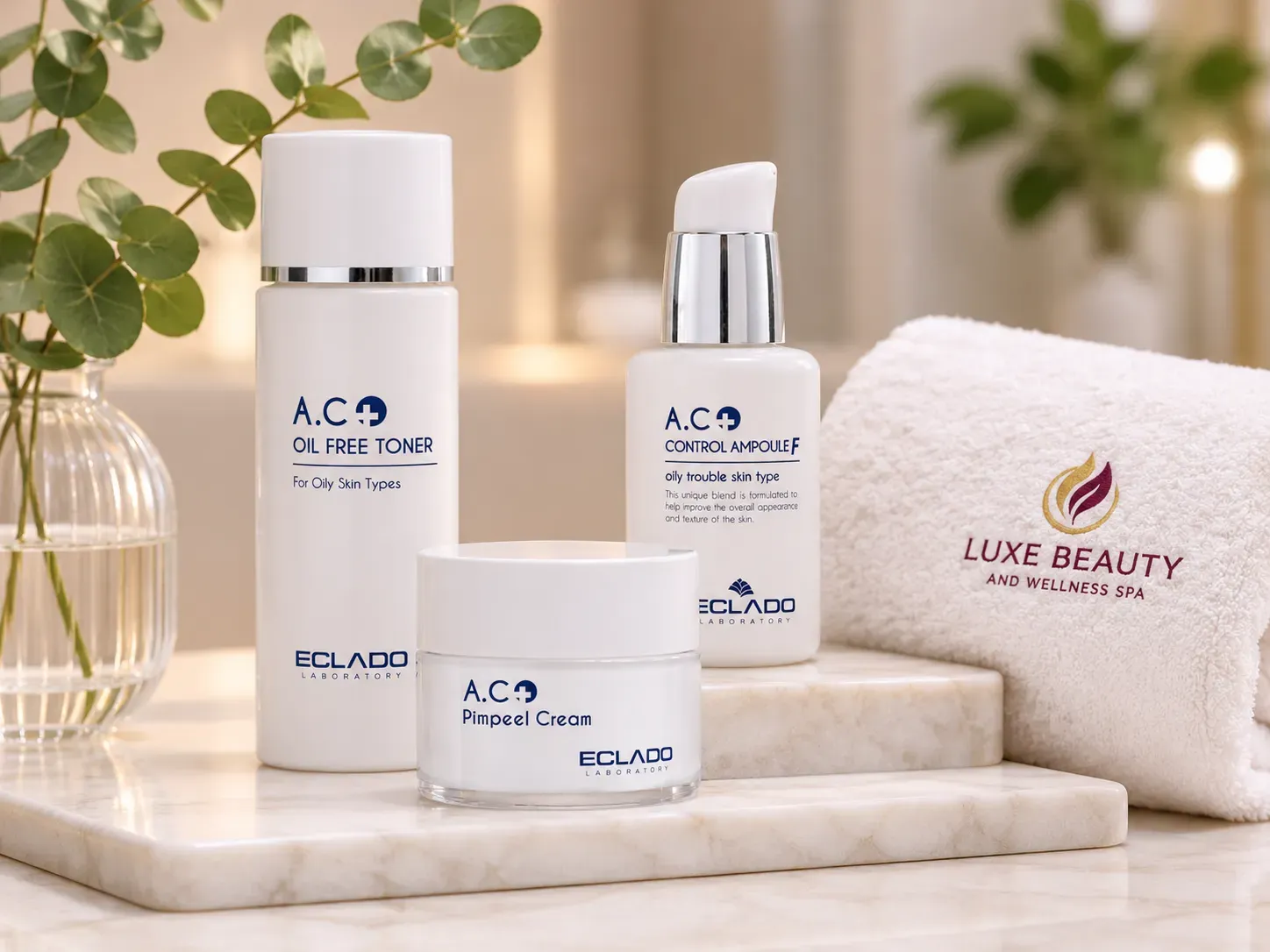
My Primary Concern Is Pitted Acne Scars or Uneven Skin Texture
Acne scars can create visible indentations, pitting and uneven skin texture due to structural changes during healing.
If your main concern is depressed acne scars rather than flat discolouration, Luxe's personalized acne scar revision treatments may help improve skin texture and support collagen remodelling.
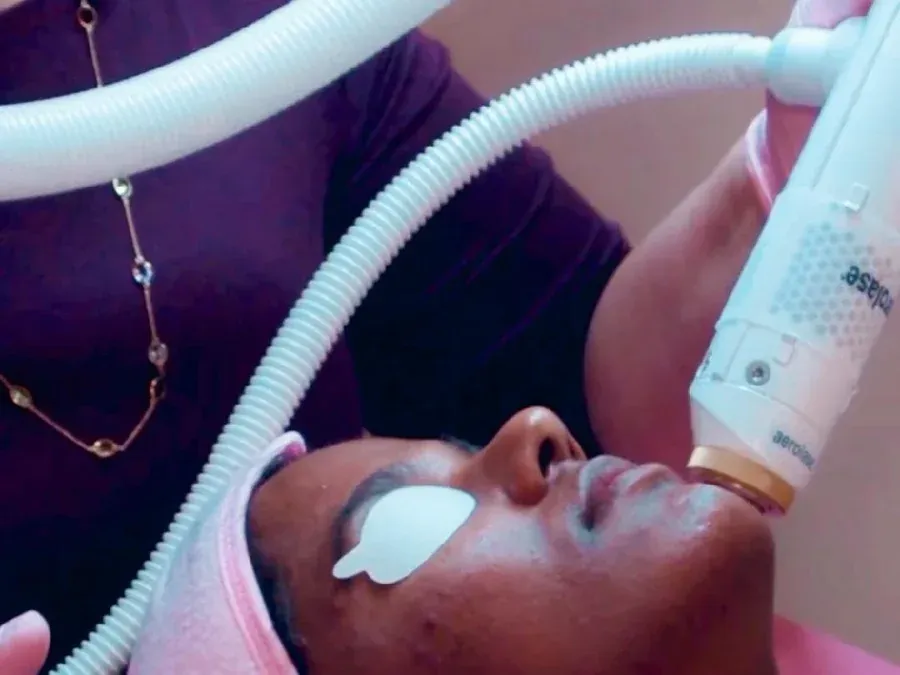
I Still Have Active Acne Breakouts
Active acne can lead to repeated inflammation, new dark marks and additional scarring.
If you continue experiencing breakouts, Luxe's personalized acne treatment programs focus on managing active acne, supporting skin health and helping reduce the risk of future post-acne marks and scars.
I'm Not Sure Whether I Have Acne Marks or Acne Scars
Post-acne marks and acne scars can sometimes occur together, making it difficult to determine the most appropriate treatment.
At Luxe Beauty & Wellness Spa in Mississauga, Kathryn and our team begin with a personalized skin assessment before recommending corrective treatments, including Aerolase technology when appropriate for your skin concerns.
Why Luxe Begins With Understanding the Pigmentation
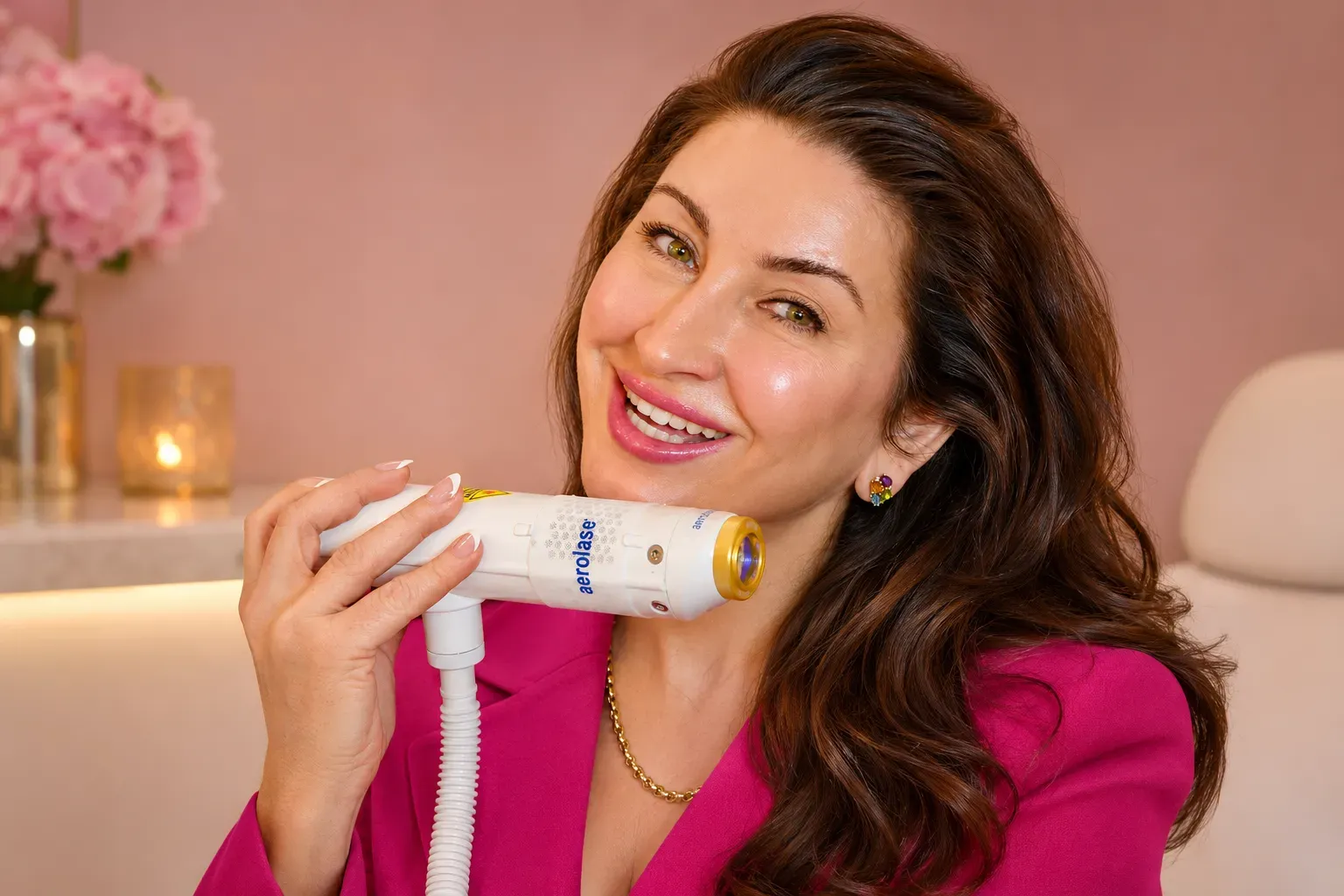
At Luxe Beauty & Wellness Spa in Mississauga, we understand that post-acne skin concerns are not the same for everyone. Some clients experience persistent discolouration, while others have active acne, uneven texture or structural scarring.
Our corrective approach begins with understanding your skin, identifying your primary concerns and reviewing factors that may influence treatment suitability. This allows us to recommend a personalized treatment pathway rather than relying on a single treatment for every client.
Understanding Your Post-Acne Concerns
We assess whether the primary concern involves active acne, flat post-acne pigmentation, lingering redness, depressed acne scars or a combination of these changes.
Your Skin Tone & Sensitivity Matter
Skin tone, sensitivity and individual pigmentation response help guide treatment selection, particularly when considering laser procedures, microneedling or other corrective treatments.
Your Treatment History Matters
Previous acne treatments, skincare products and healing responses provide valuable information when developing an appropriate corrective program and establishing realistic expectations.
Long-Term Skin Improvement Matters
Our approach considers both improving existing post-acne concerns and helping reduce future breakouts, inflammation and pigmentation through appropriate treatment planning and home skincare.
The Right Technology Follows the Right Assessment
At Luxe Beauty & Wellness Spa, treatment selection begins with understanding your skin rather than choosing a device first.
Depending on your concerns, a personalized program may incorporate Aerolase laser technology, Dermaspark eDermaStamp microneedling, professional skincare or a combination of appropriate treatments.
Our goal is to recommend a corrective approach that considers your skin condition, treatment suitability and realistic expectations for improvement.
Frequently Asked Questions About Acne Marks & Acne Scars
Kathryn Wodz — Practitioner Expertise in Acne & Corrective Skin Care
At Luxe Beauty & Wellness Spa in Mississauga, Kathryn Wodz serves as Clinical Lead, helping guide personalized corrective skin care approaches for clients with concerns such as acne, post-inflammatory pigmentation, acne scarring and uneven skin texture.
Understanding the difference between flat acne marks and structural acne scars is an important part of developing realistic treatment recommendations.
A Personalized Approach to Post-Acne Skin Concerns
Kathryn's approach emphasizes understanding each client's skin characteristics, treatment history, sensitivity and individual concerns before recommending corrective procedures. Depending on treatment suitability, Luxe's programs may incorporate Aerolase laser technology, Dermaspark eDermaStamp microneedling and professional skincare to support appropriate skin improvement goals.
Education, Skin Safety & Realistic Expectations
Not every post-acne mark or scar requires the same treatment. Skin tone, active inflammation, scar characteristics and previous treatment responses all influence treatment planning. Luxe emphasizes personalized assessment, appropriate treatment selection and long-term skin health rather than promising identical results for every client.
Understand Your Skin Before Treating It
Pigmentation is not one condition.
Understanding whether you are dealing with melasma, post-inflammatory pigmentation, sun-related pigmentation or another concern can help determine a more appropriate path forward.
At Luxe Beauty & Wellness Spa in Mississauga, our corrective approach begins by
understanding the skin before selecting treatment.